Navaratna
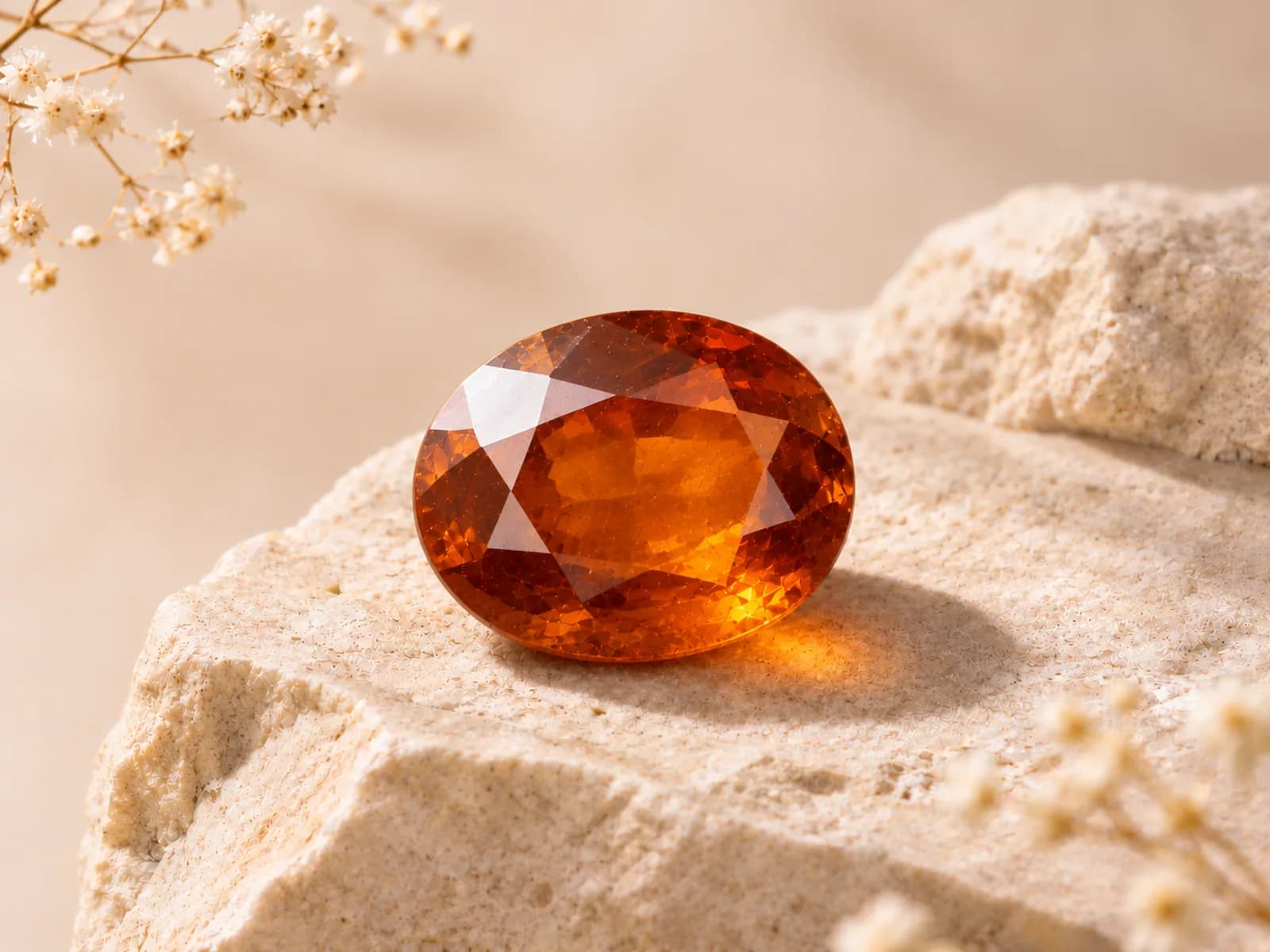
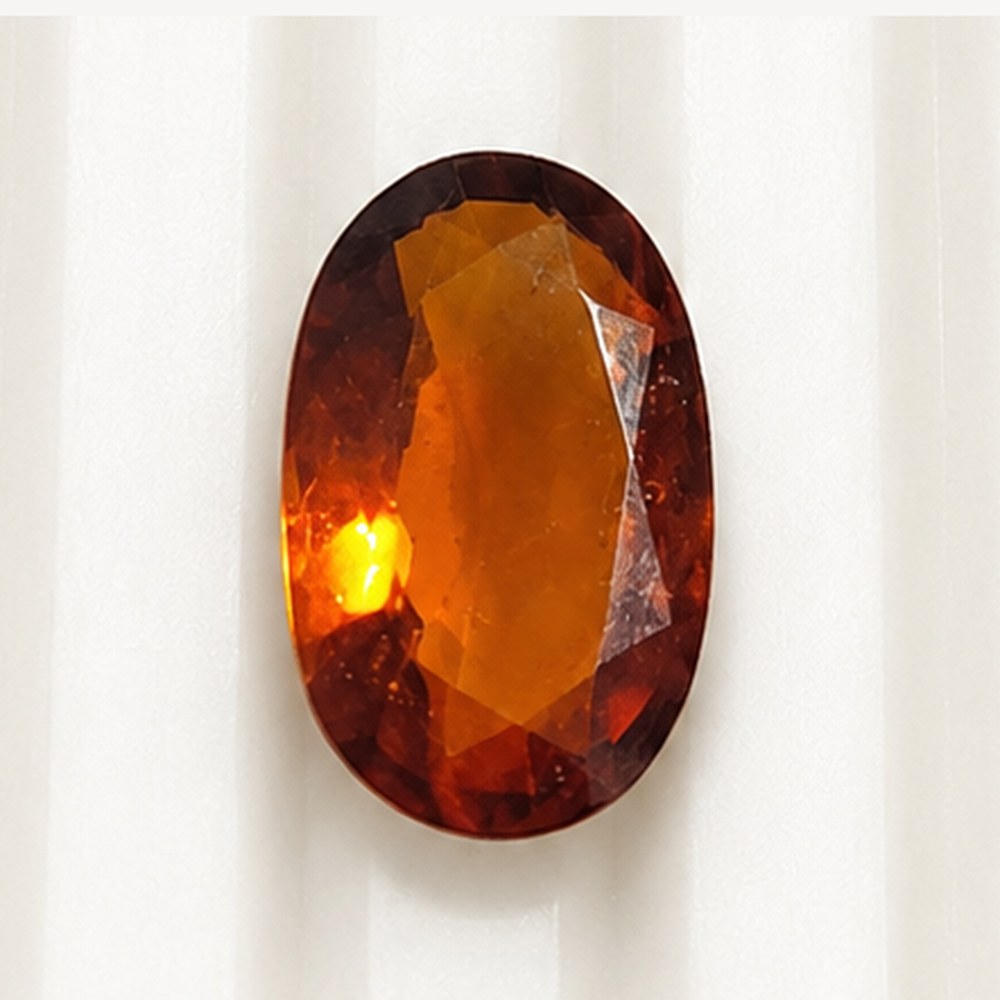
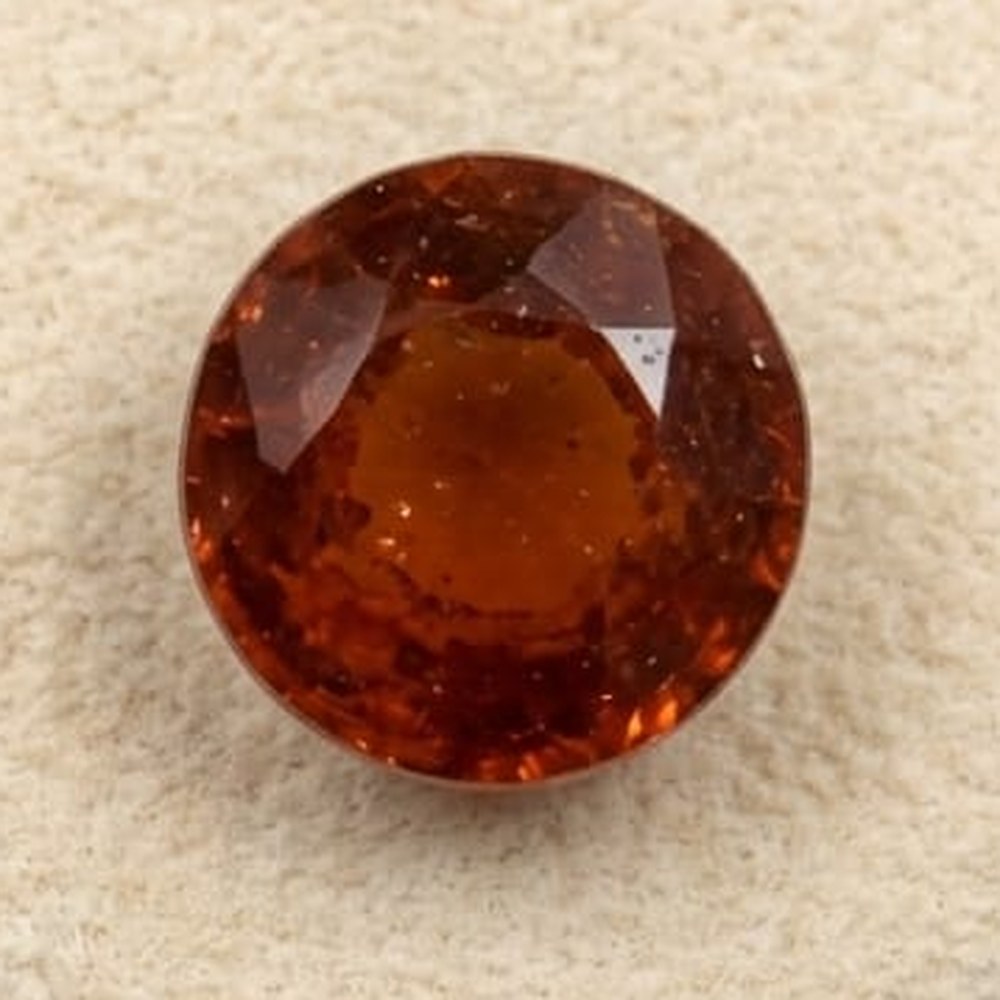
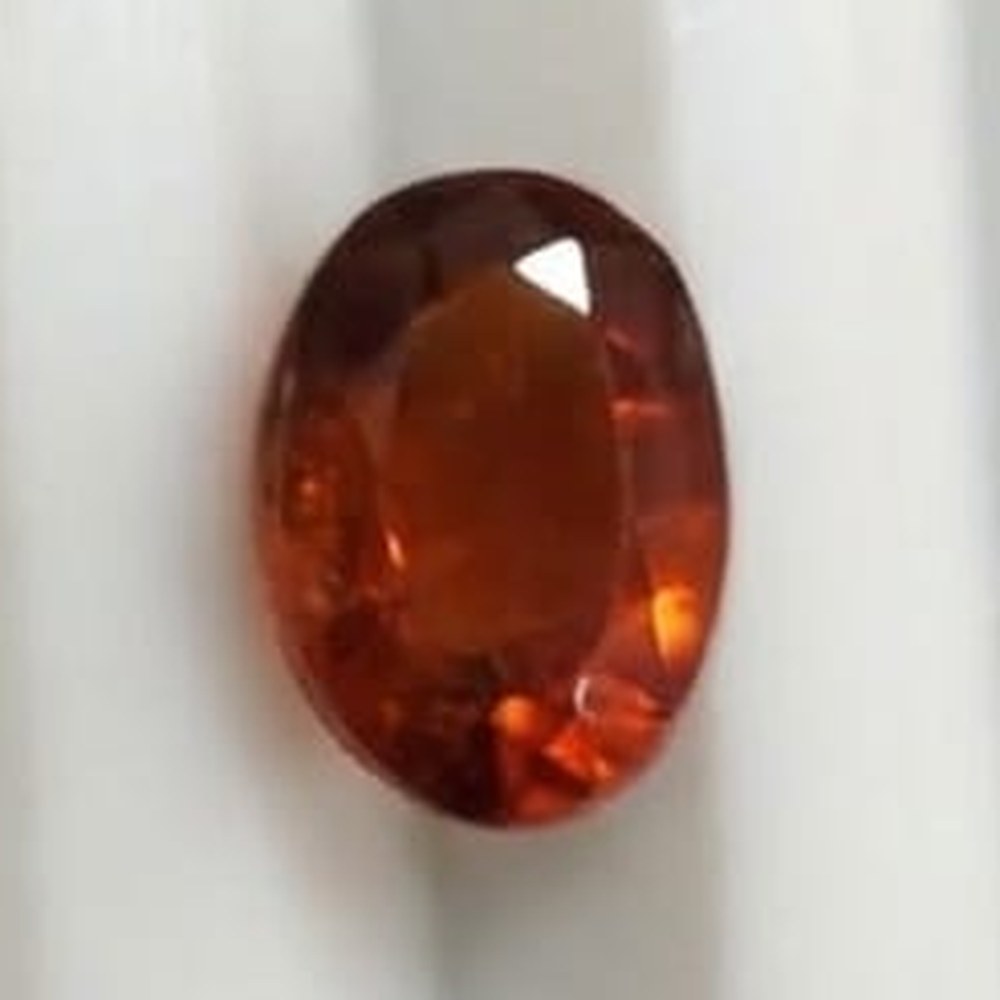
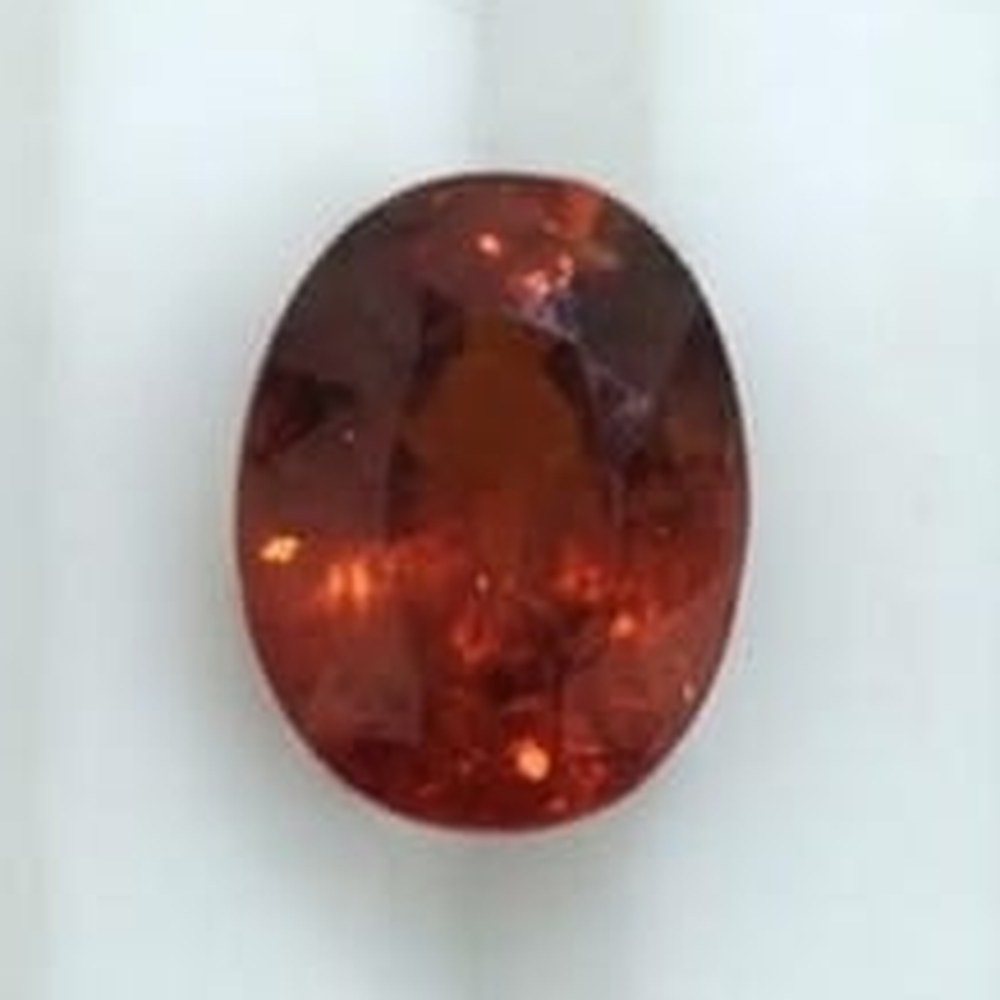
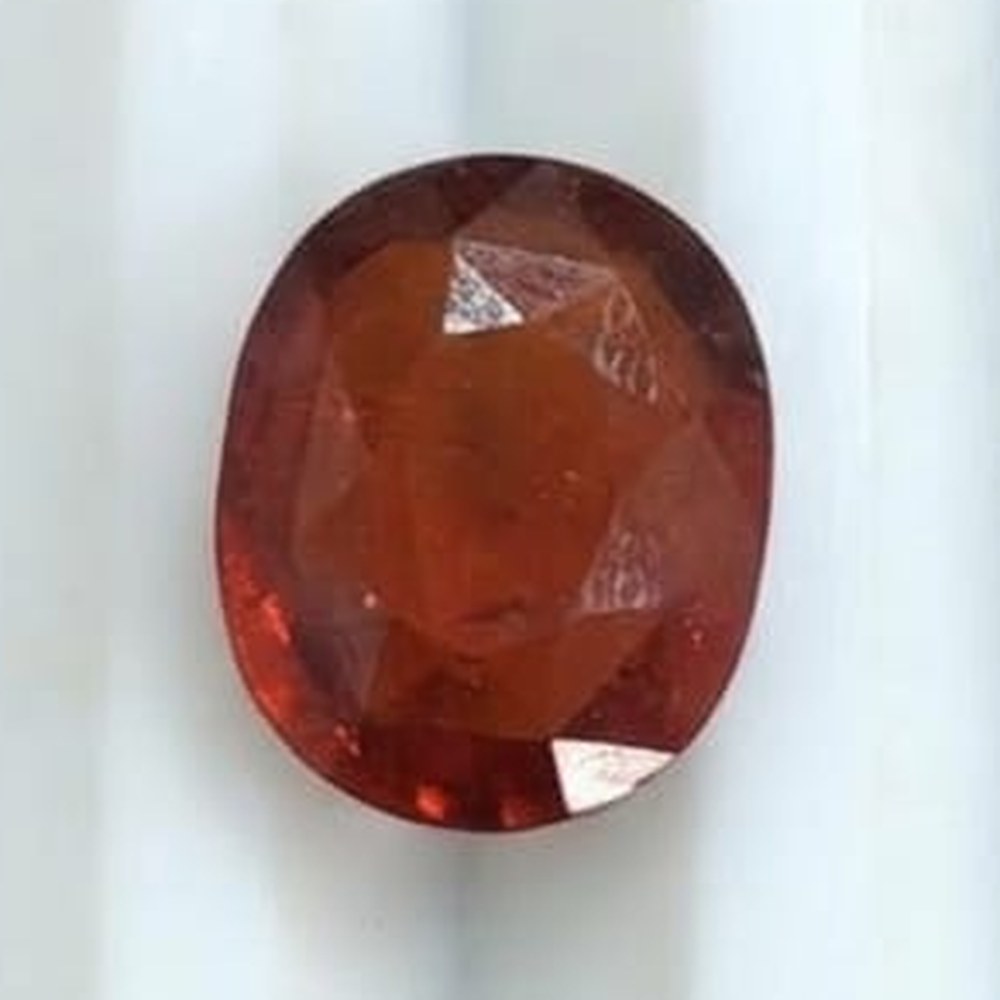
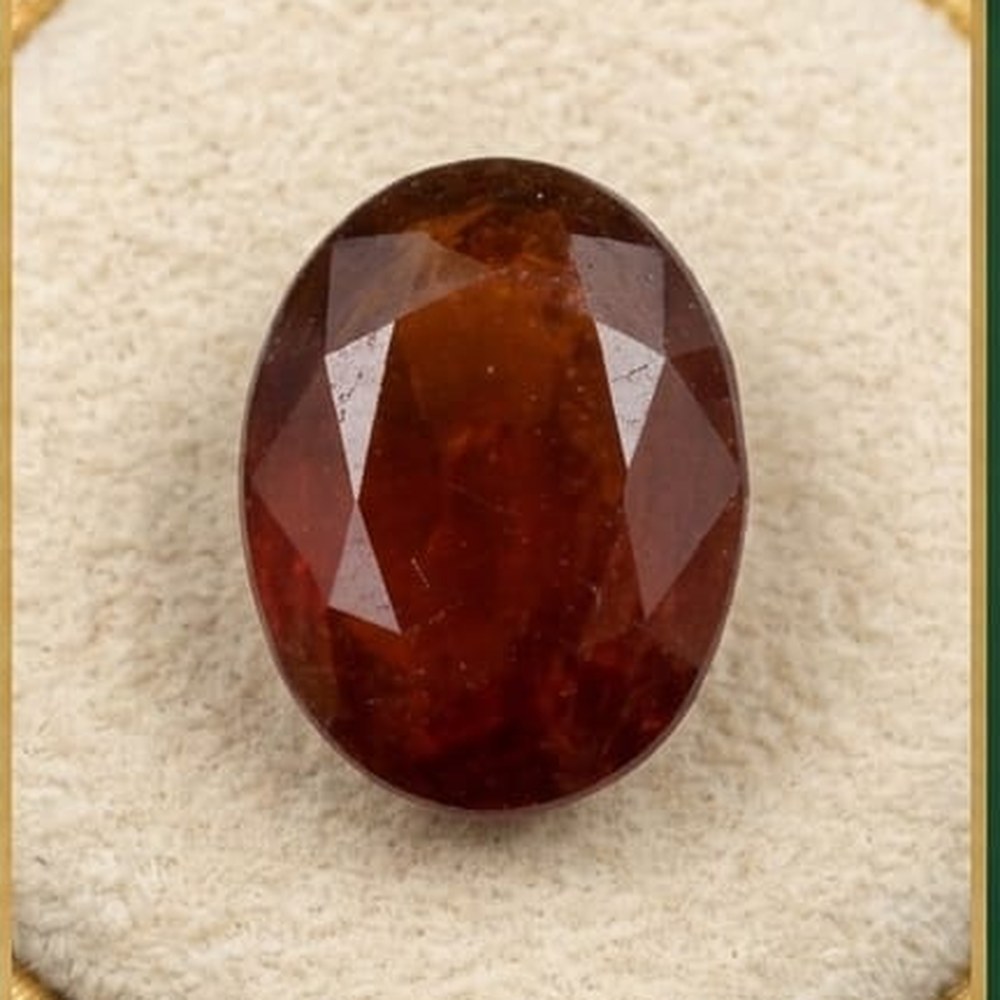
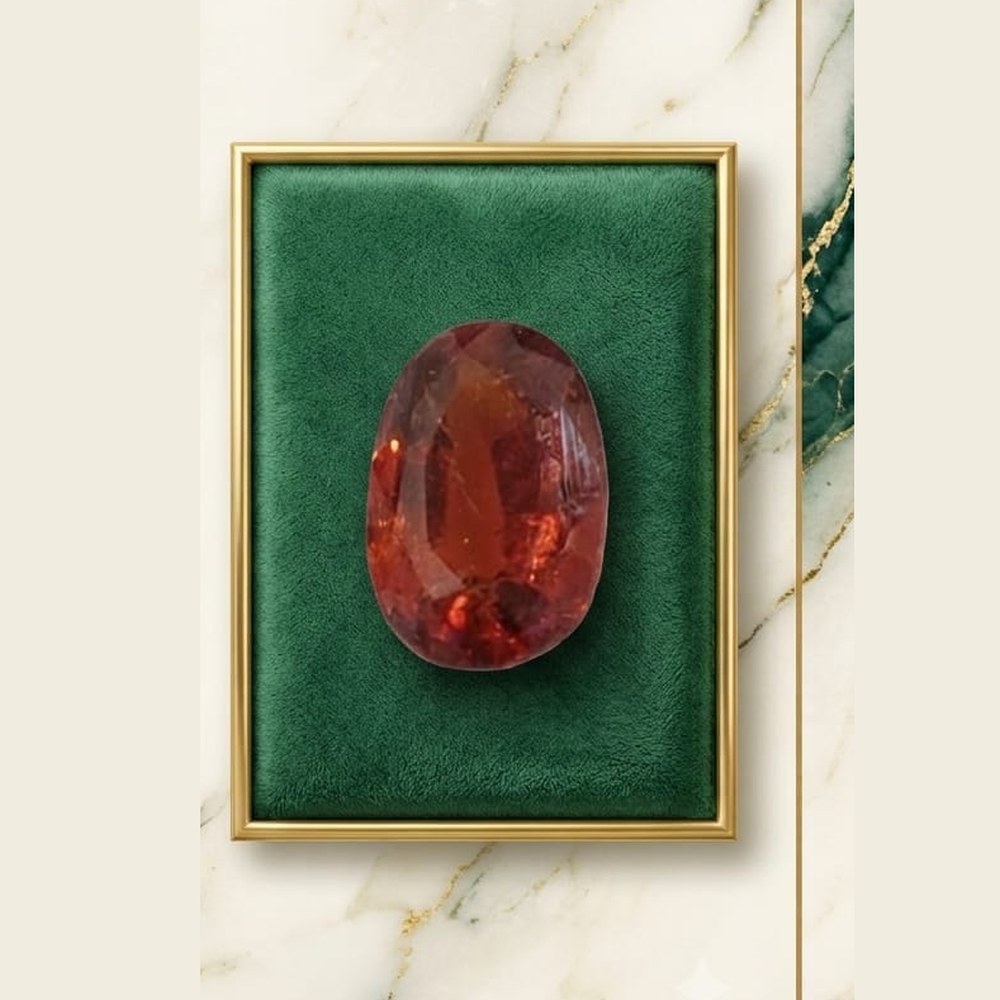
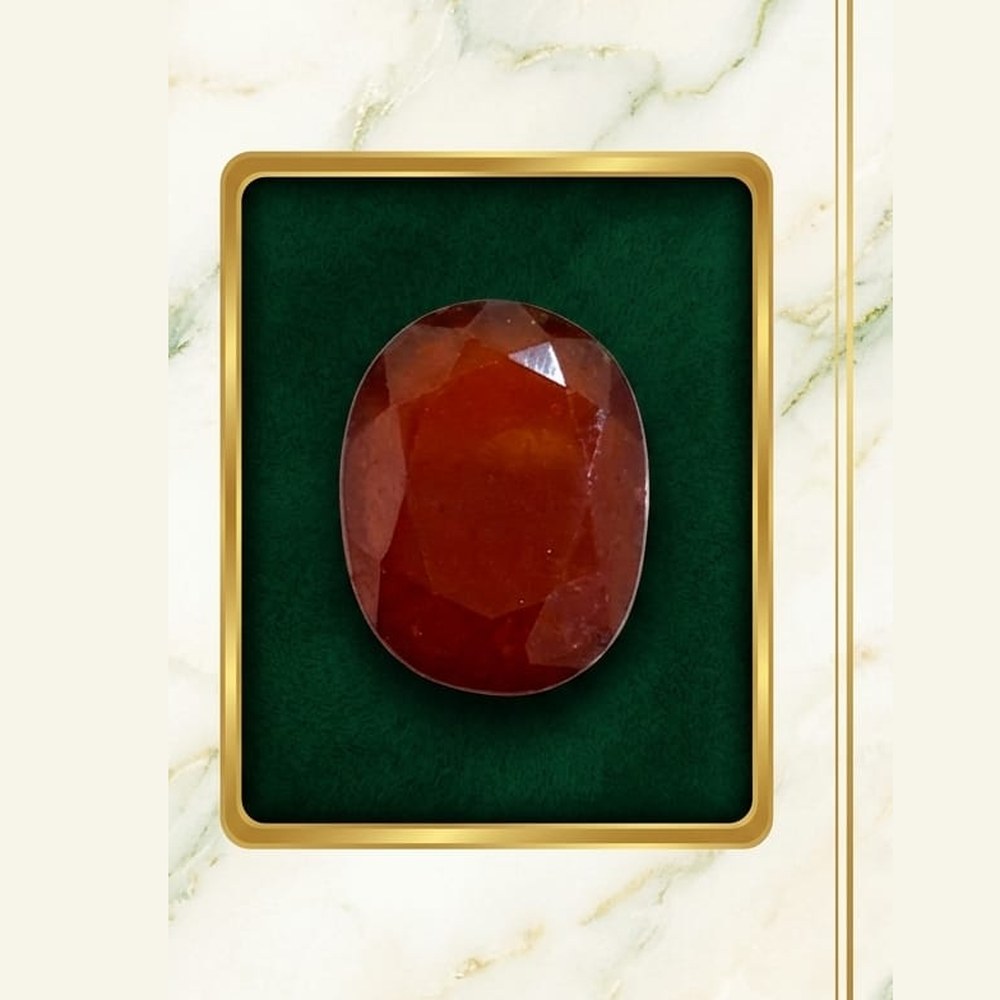
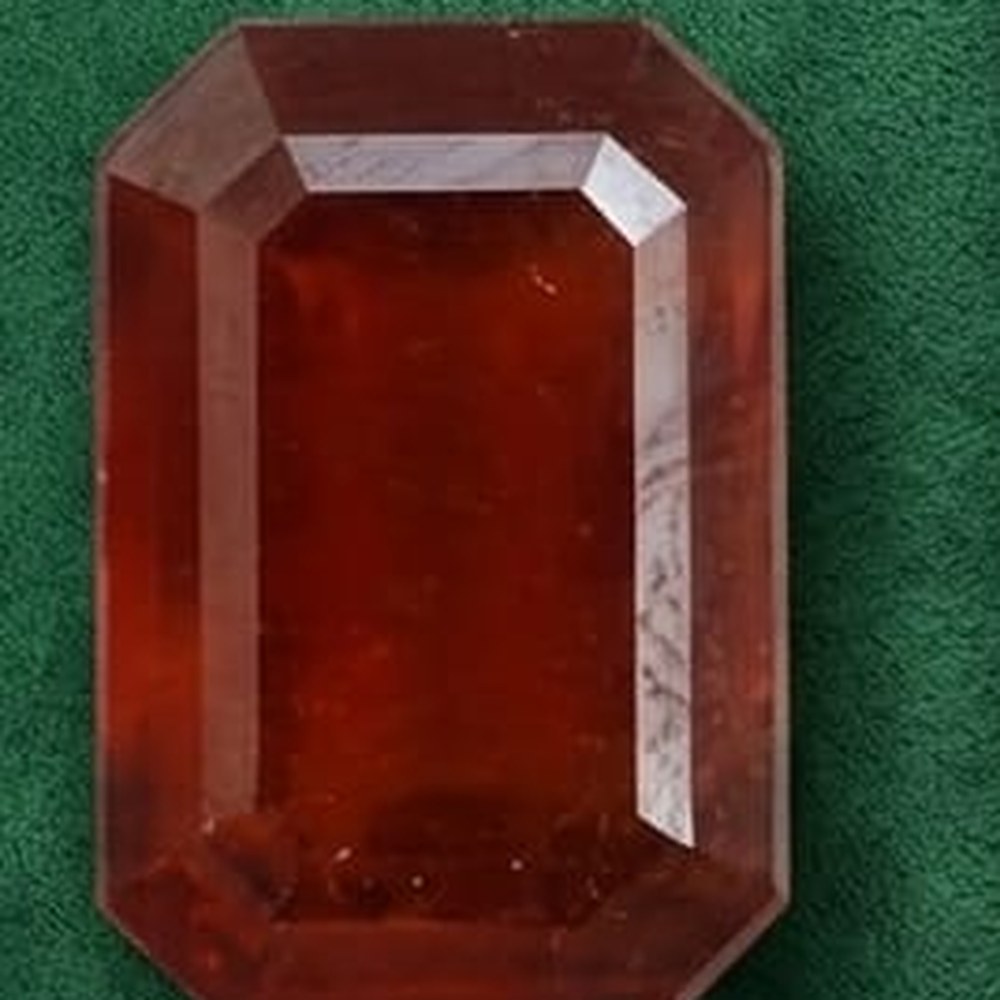
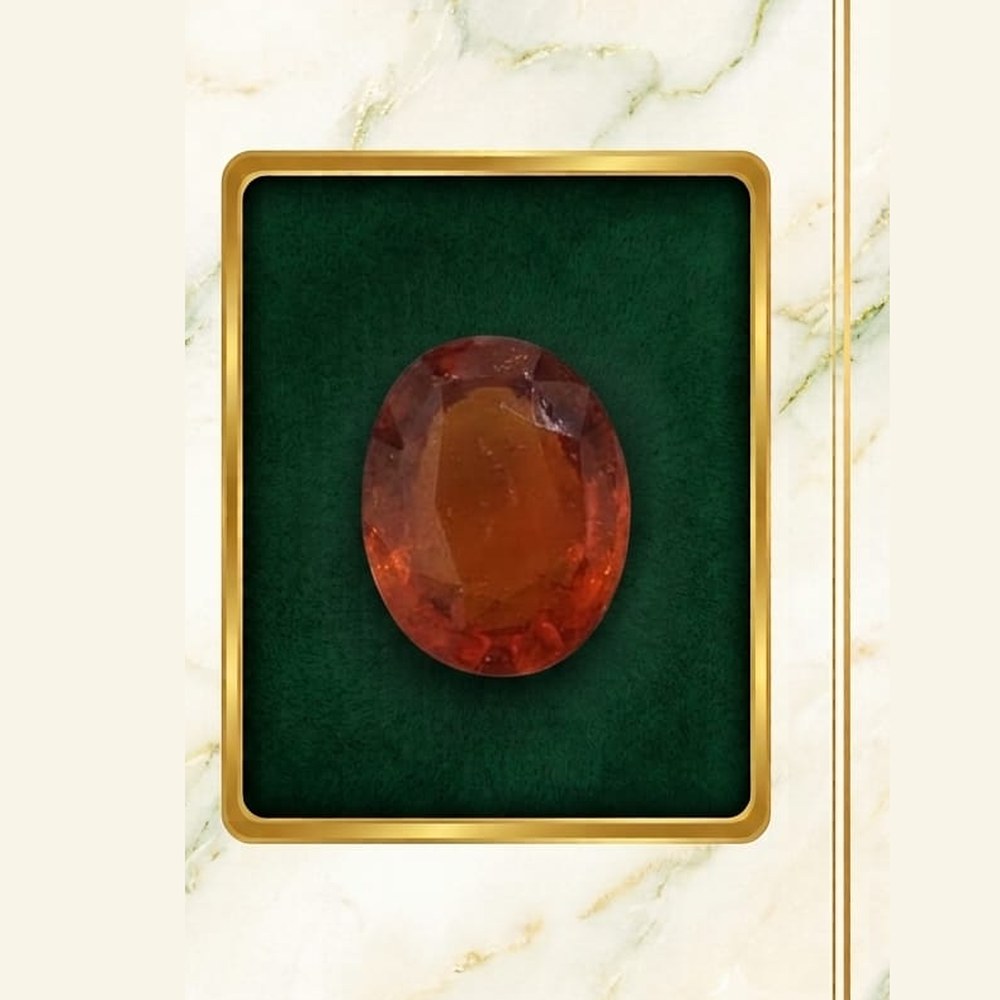
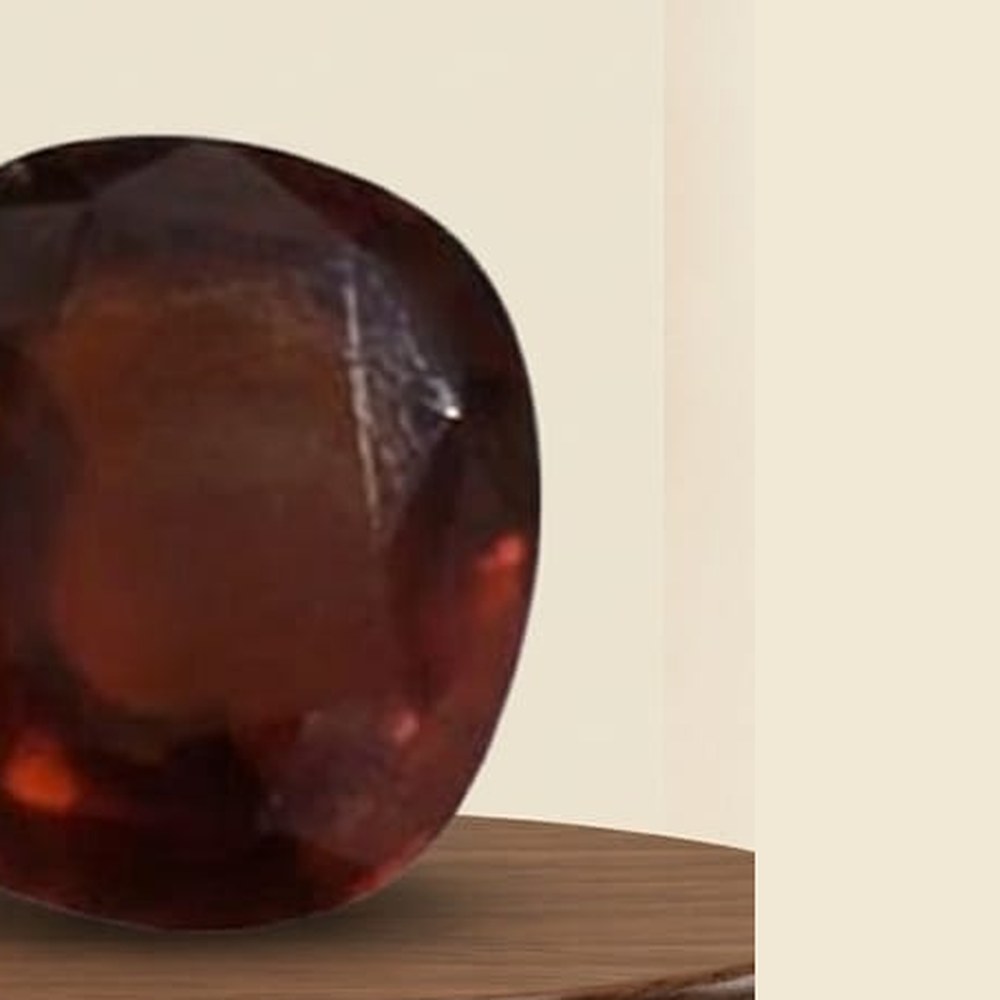
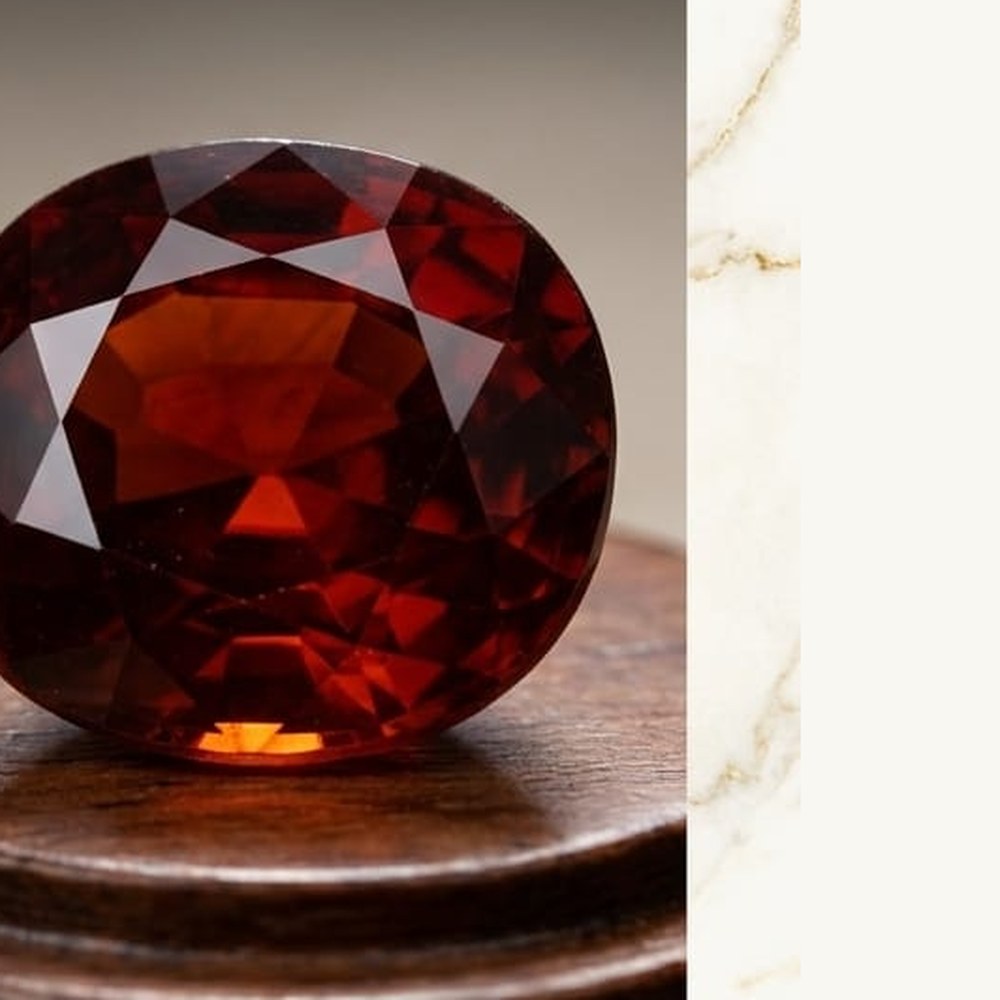
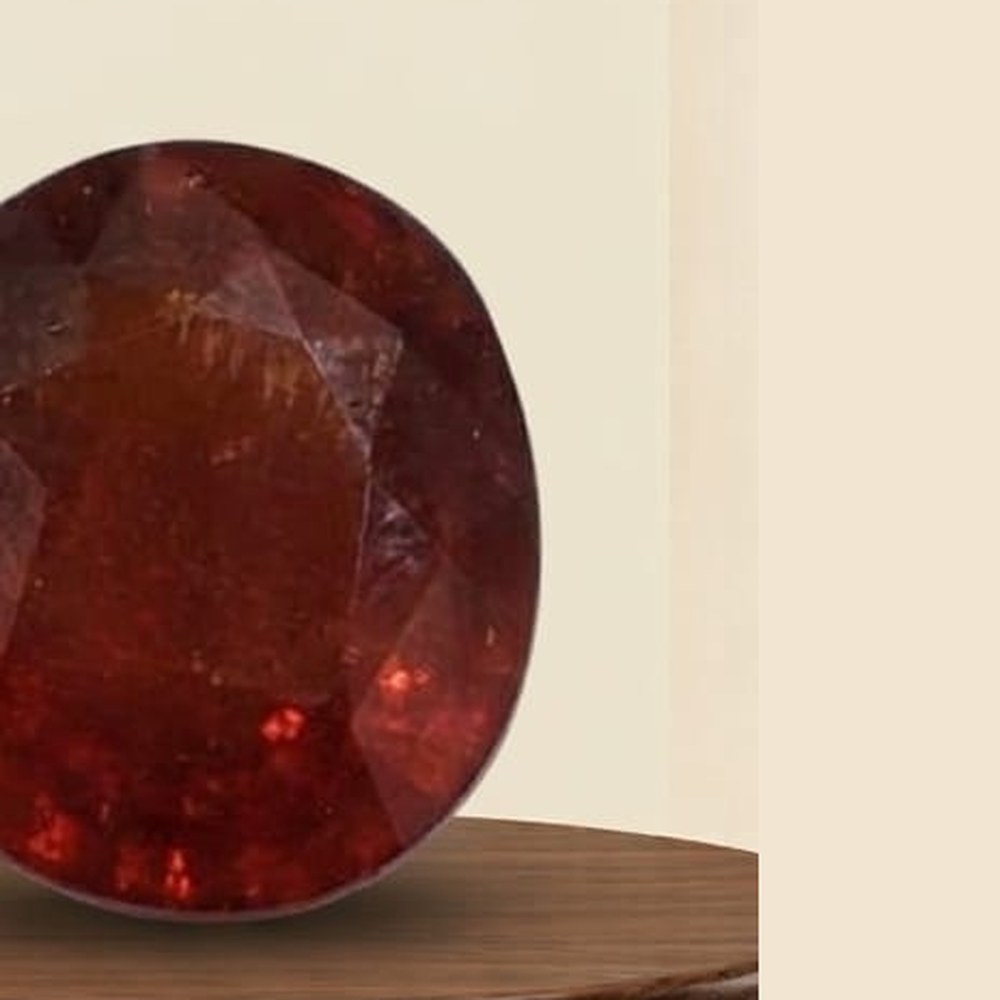
Hessonite (Gomed) (Gomed Stone)
The honey-cinnamon stone of Rahu — ambition and worldly breakthrough.
54 pieces in stock now, from ₹735.
Buy Hessonite (Gomed) online
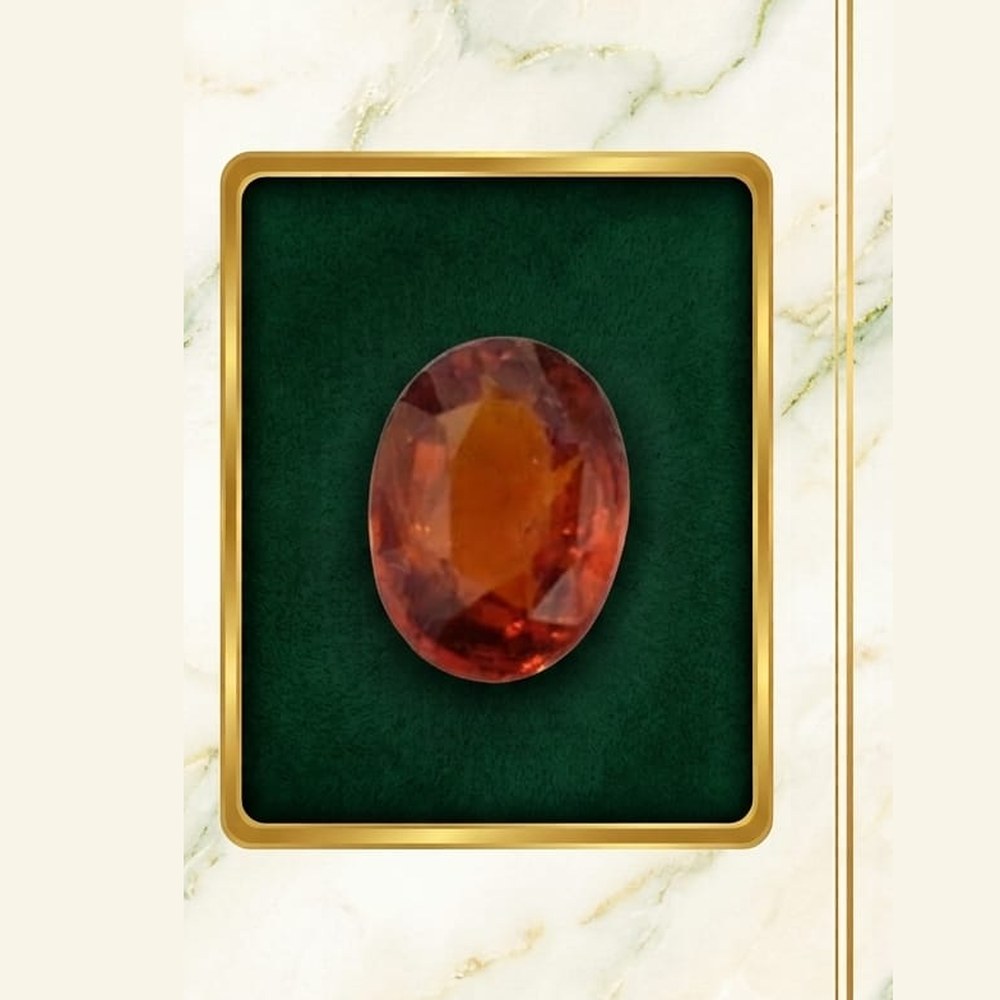
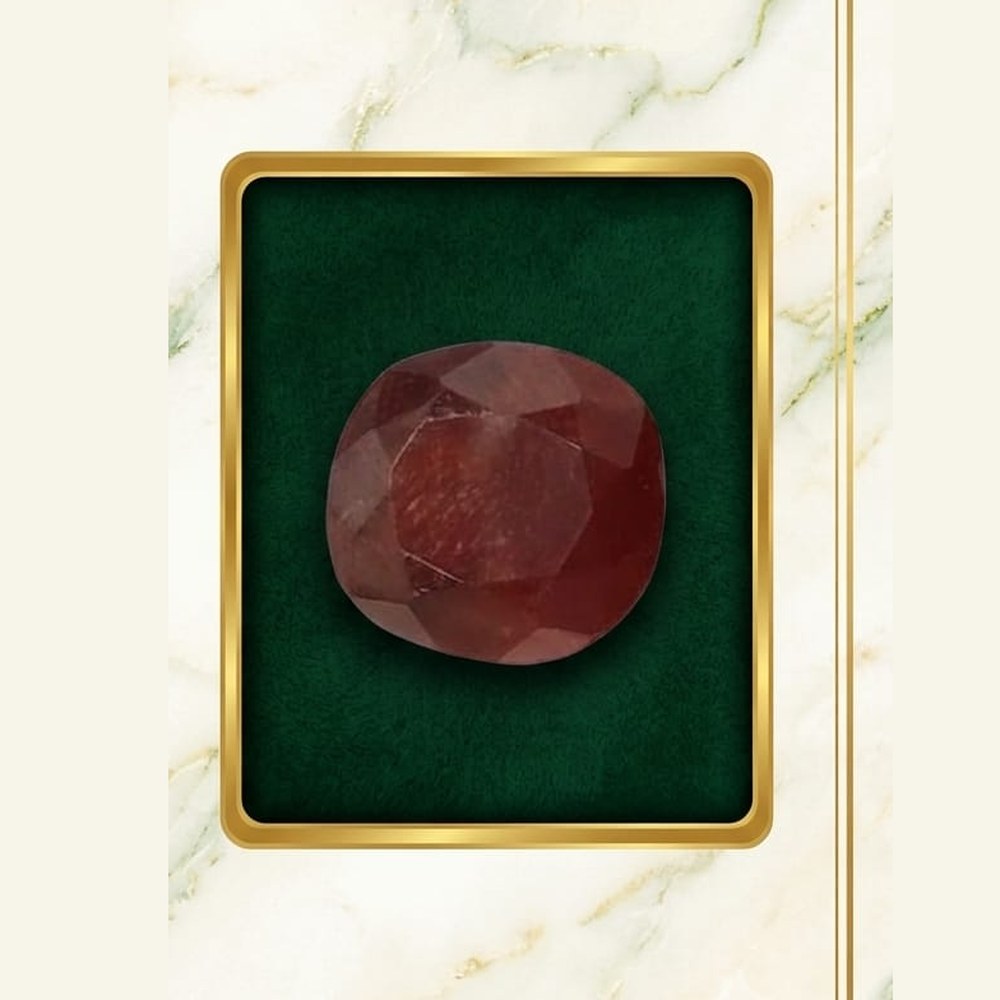
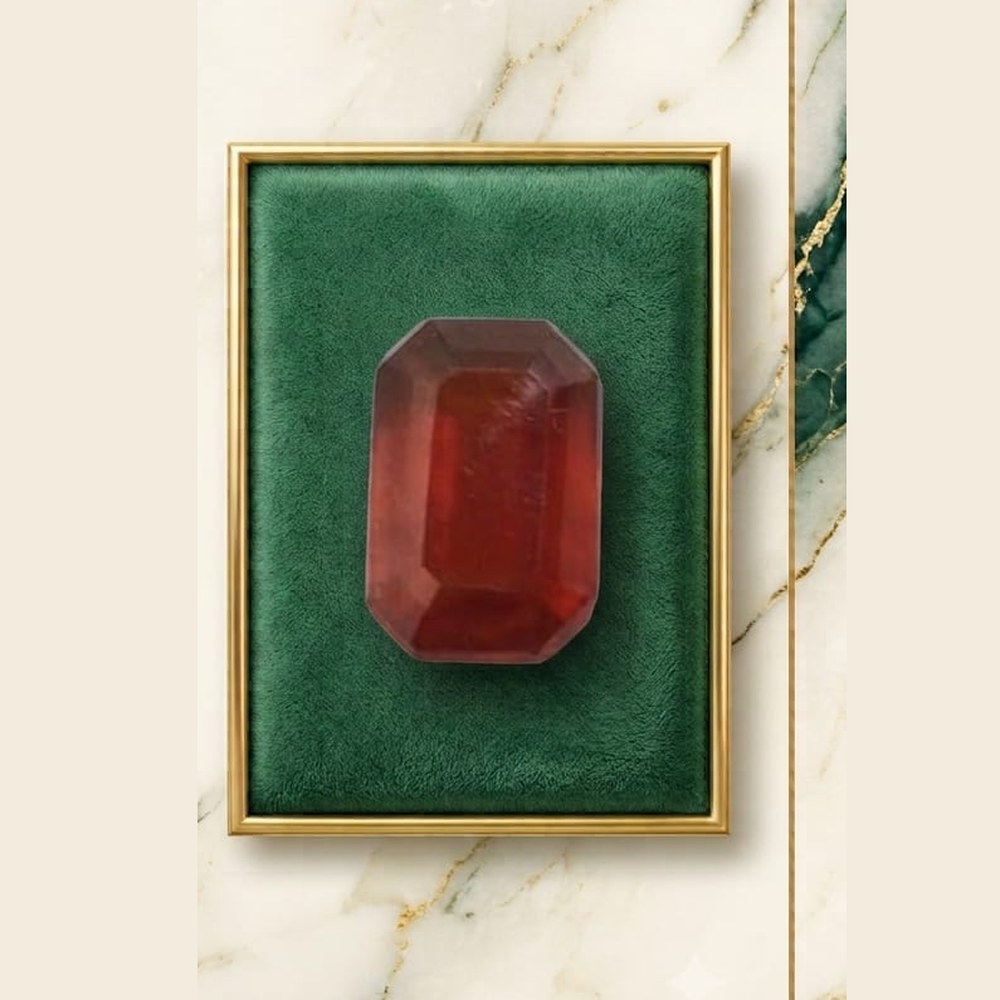
Every listed stone is one of a kind and carries its own lab report. The certificate number printed on the document in the box is the one that corresponds to the stone you receive — listing a single number here would be wrong for every other stone.
What Hessonite (Gomed) is
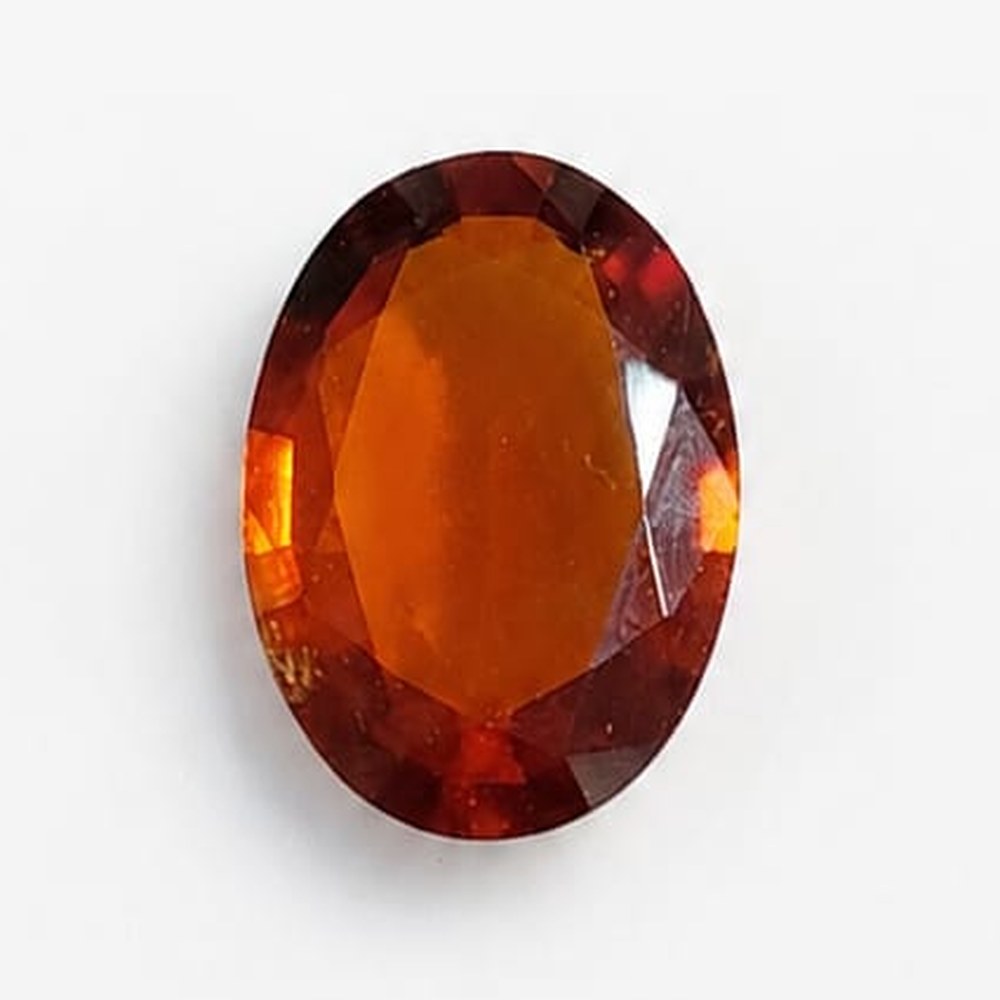
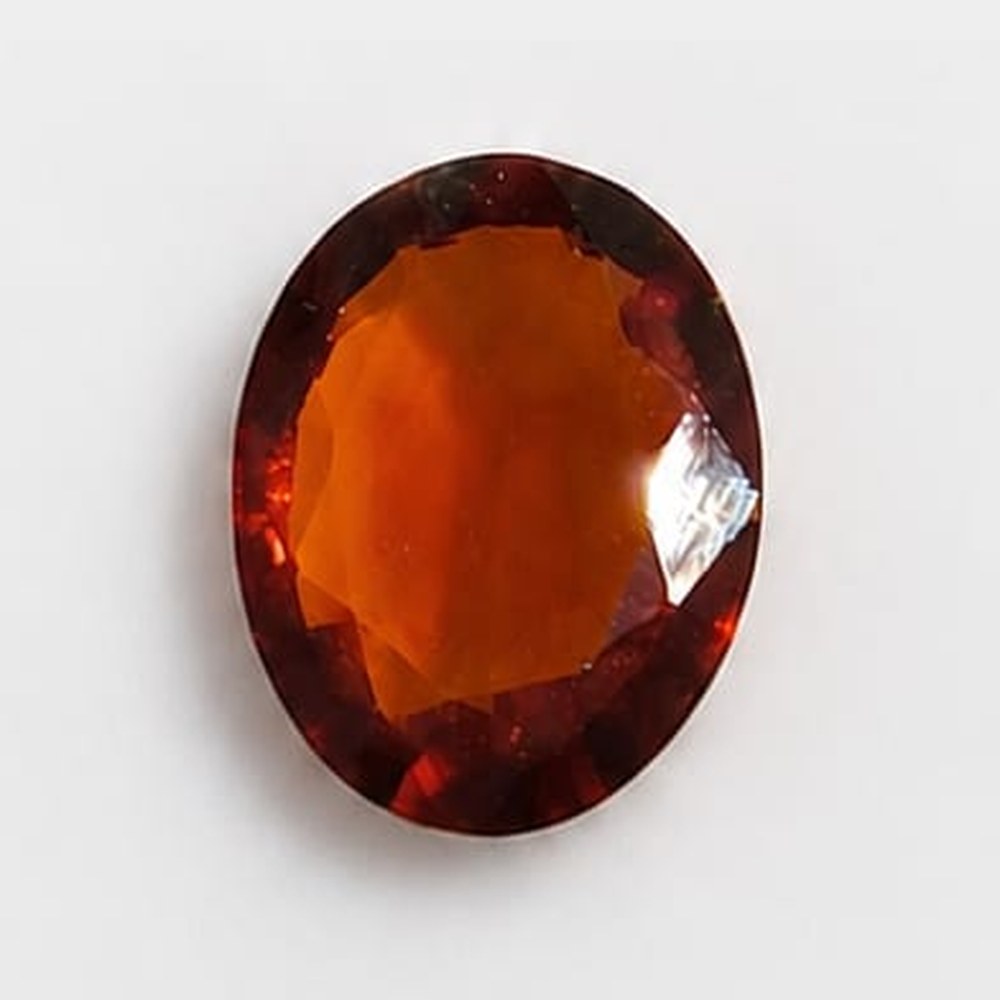
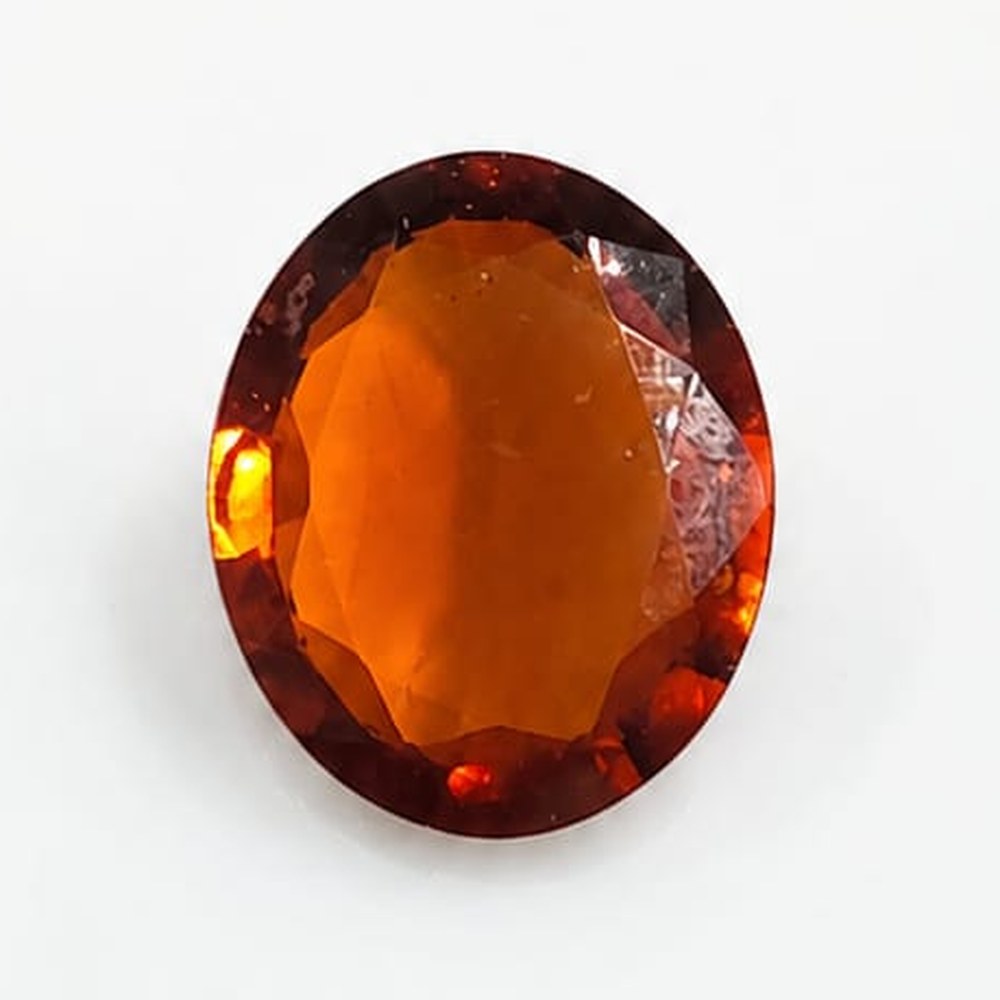
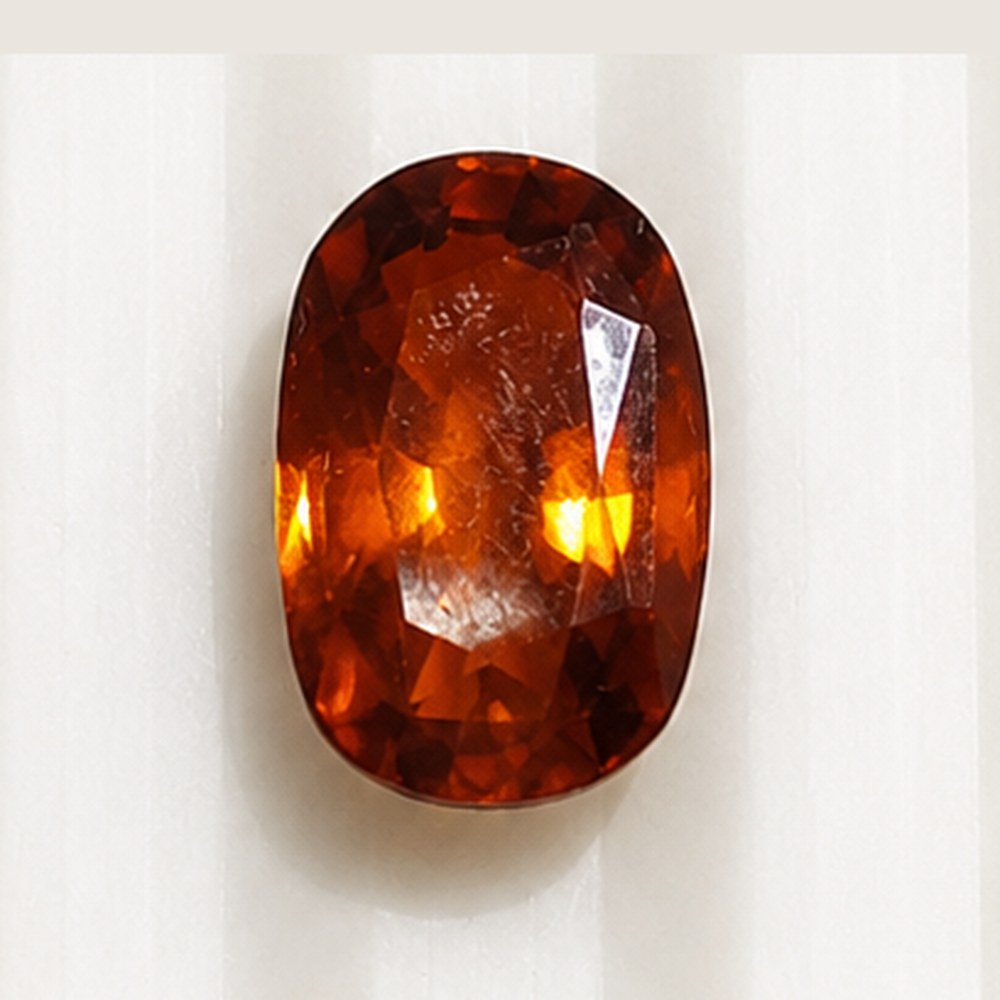
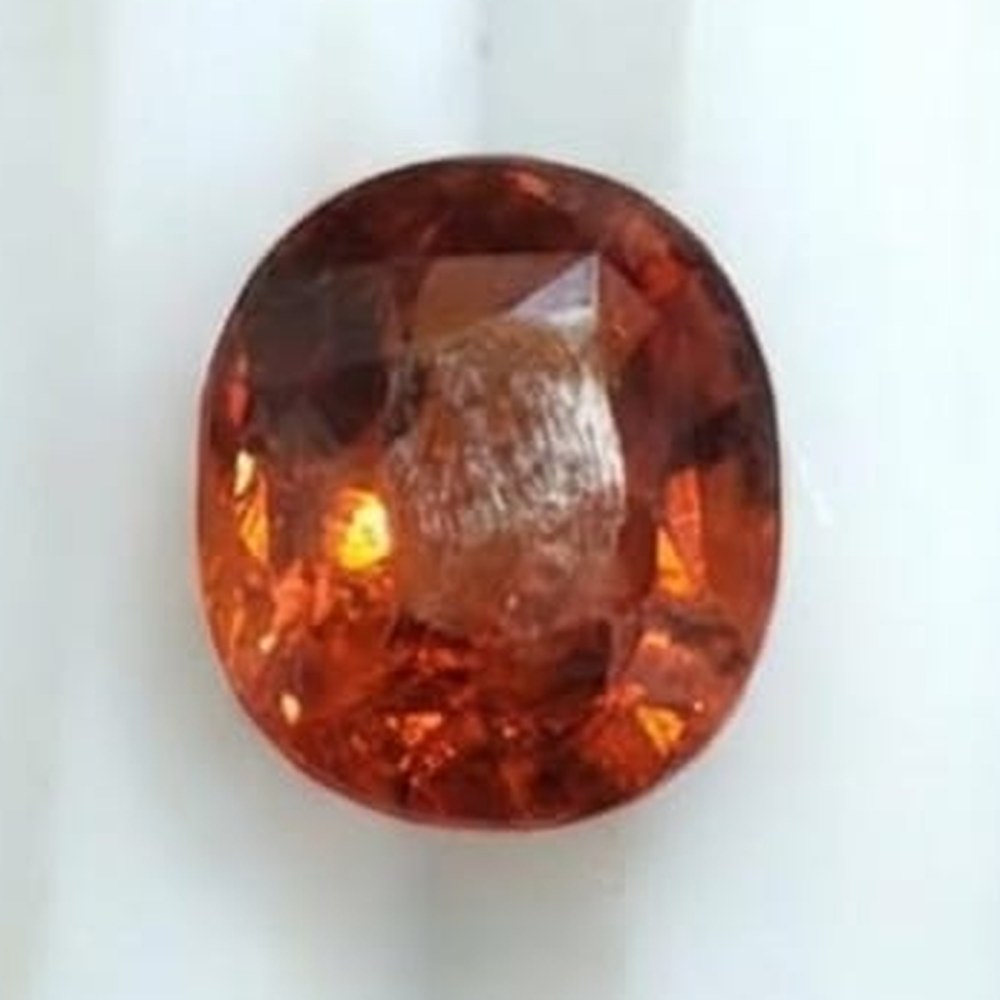
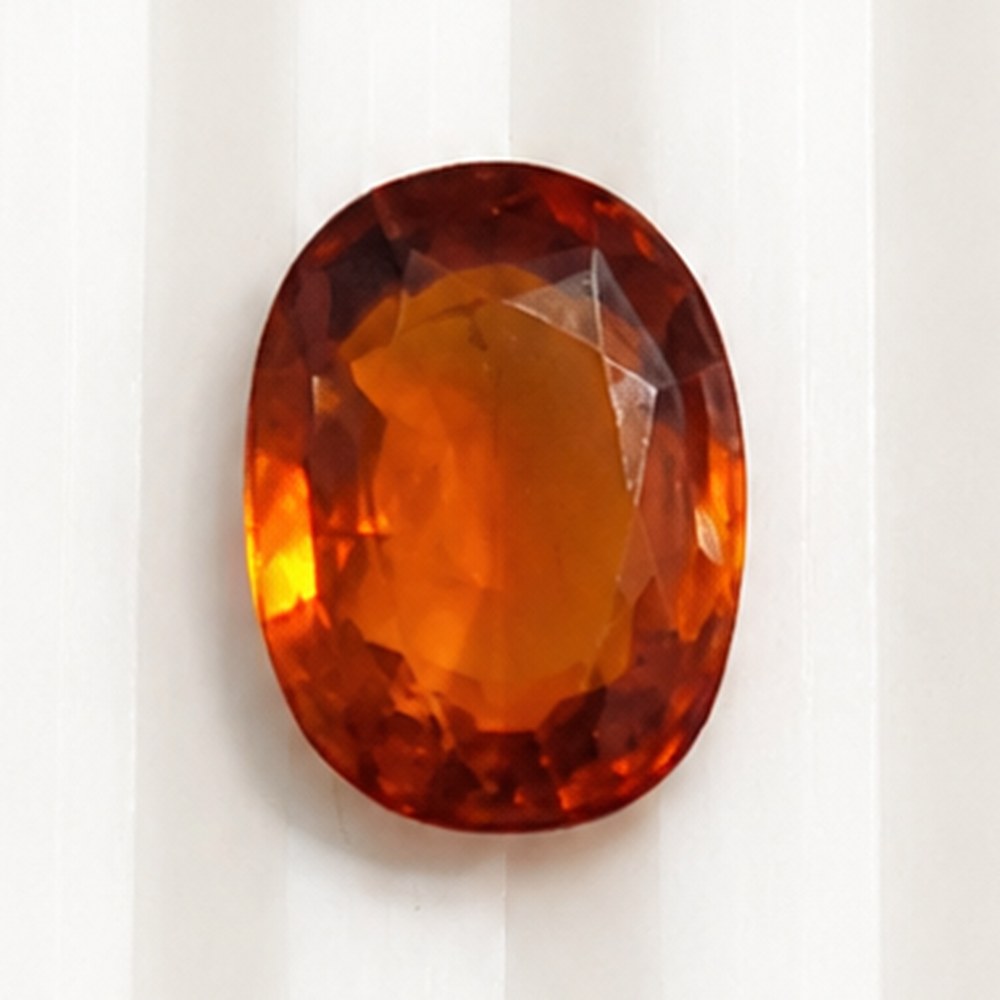
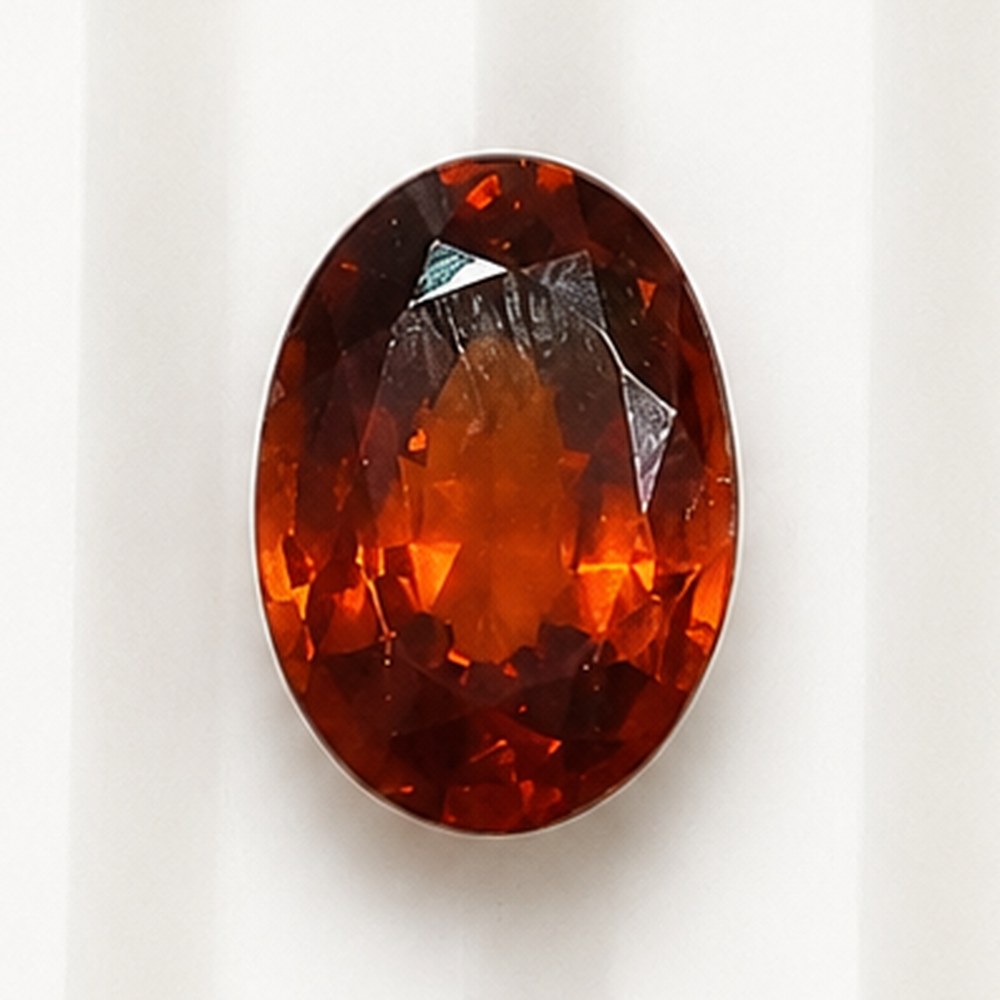
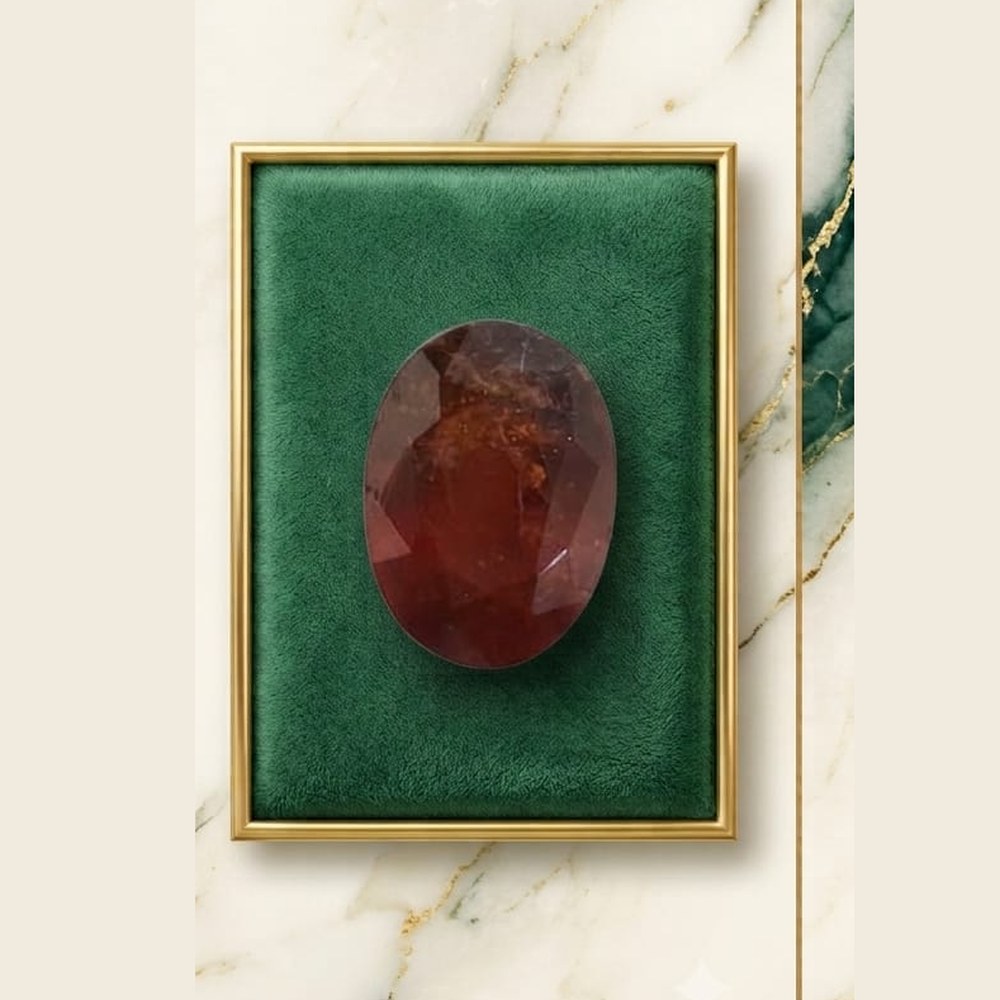
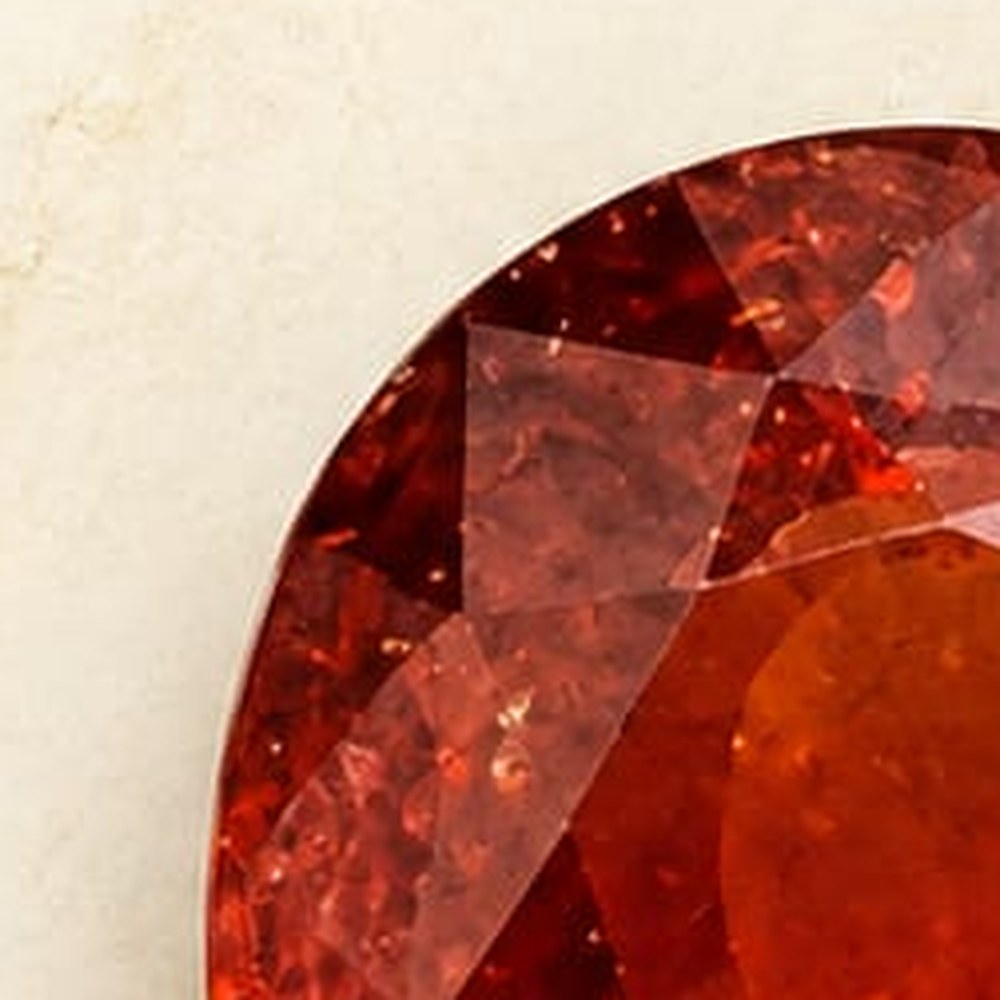
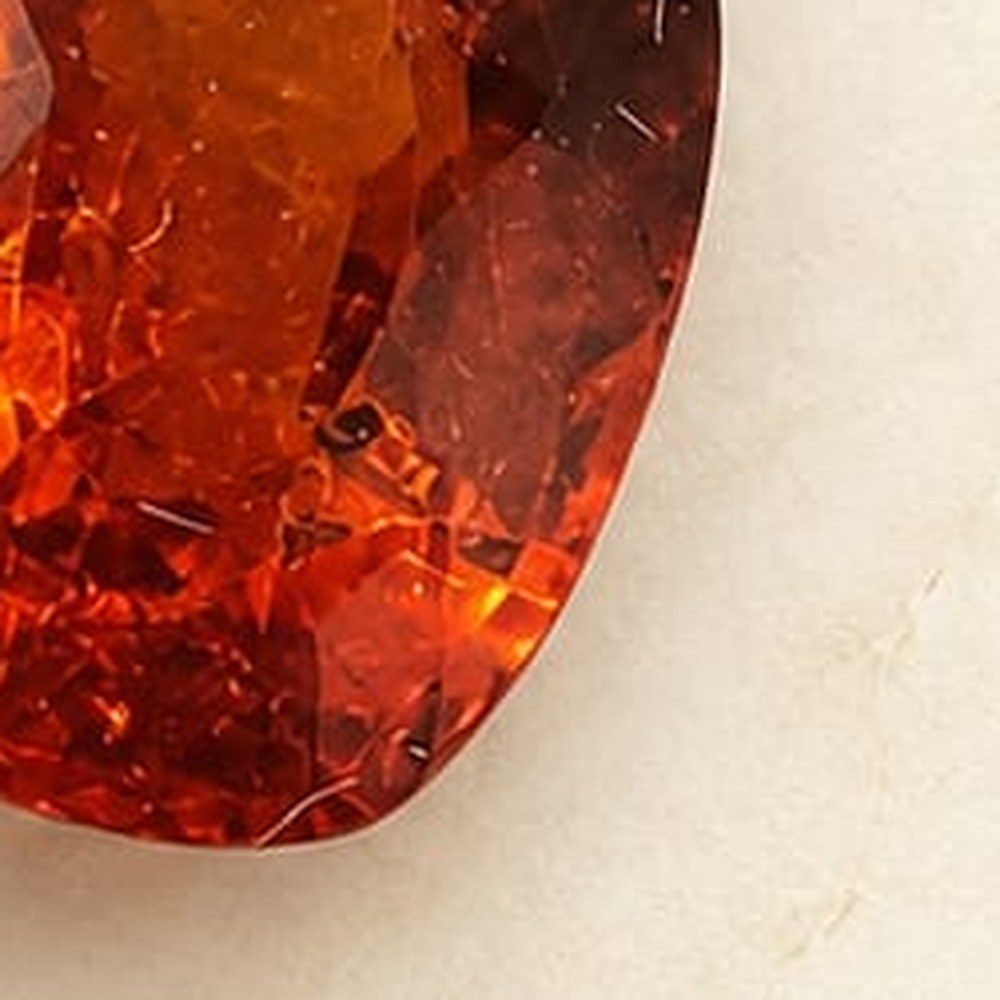
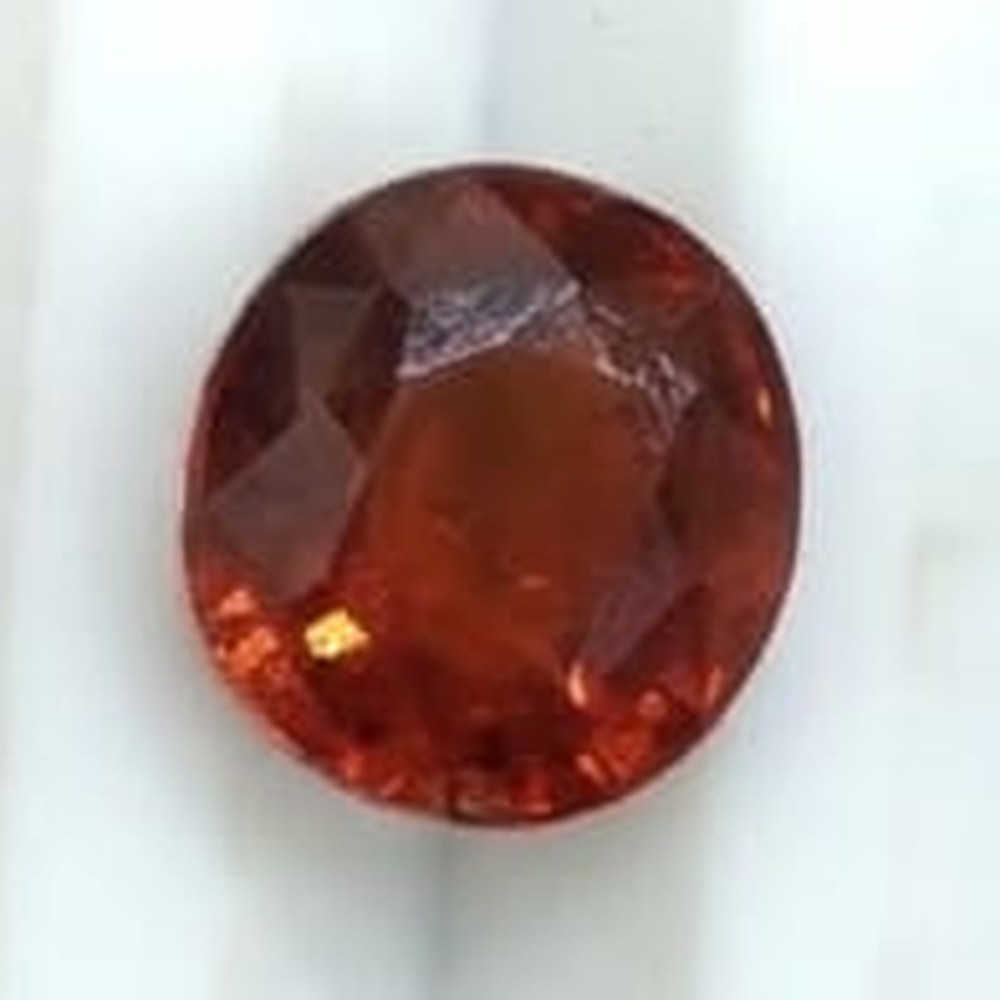
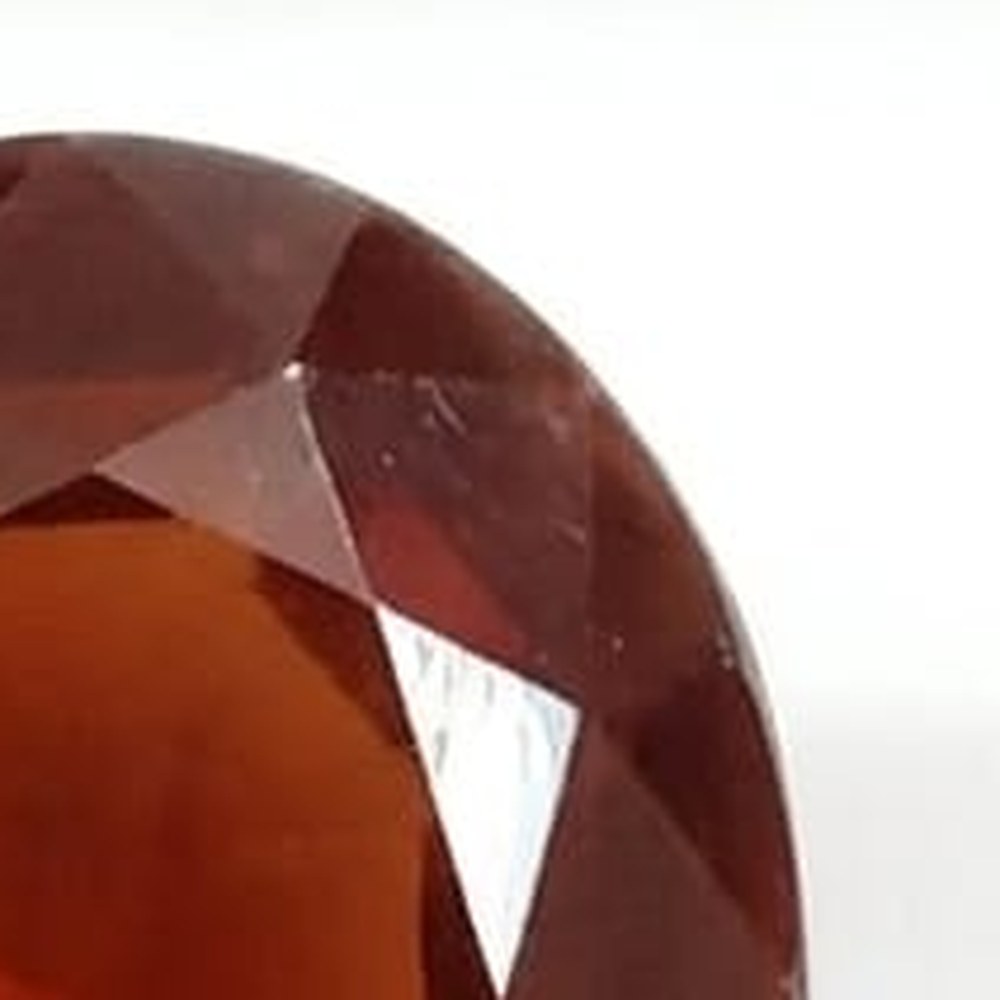
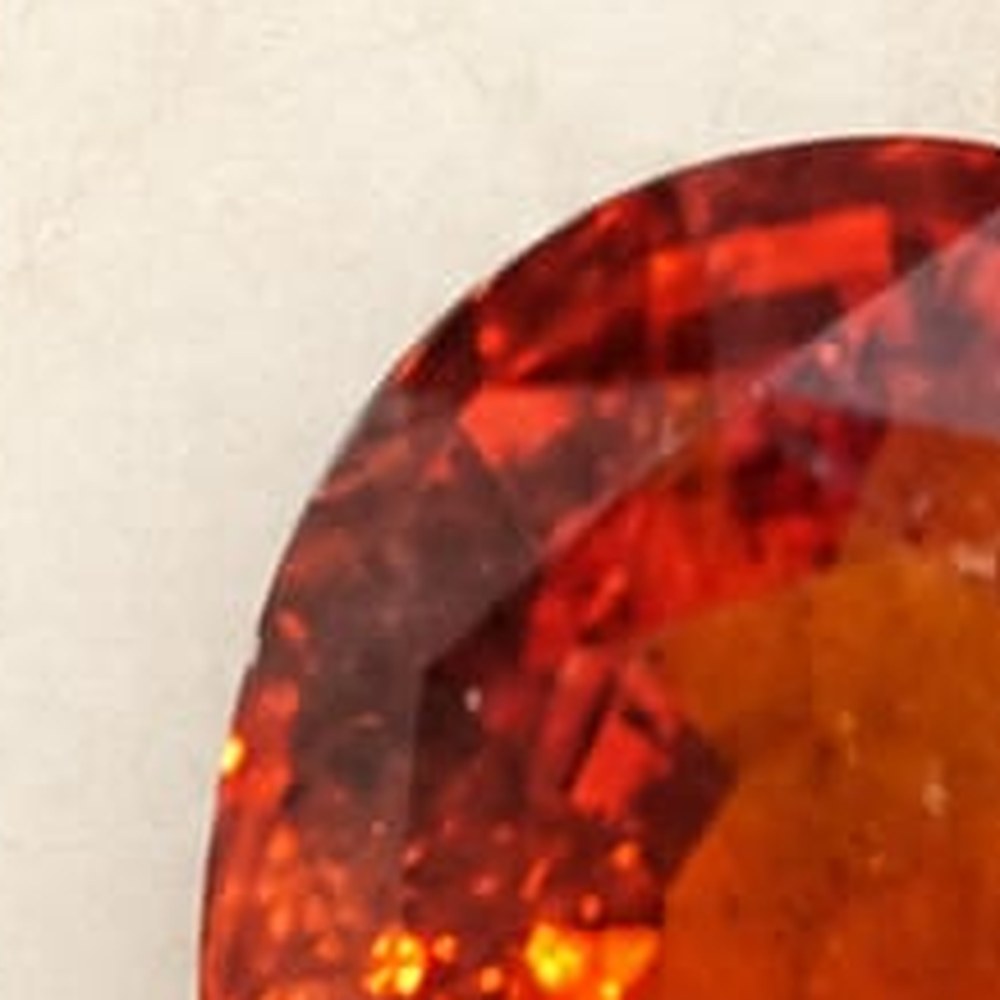
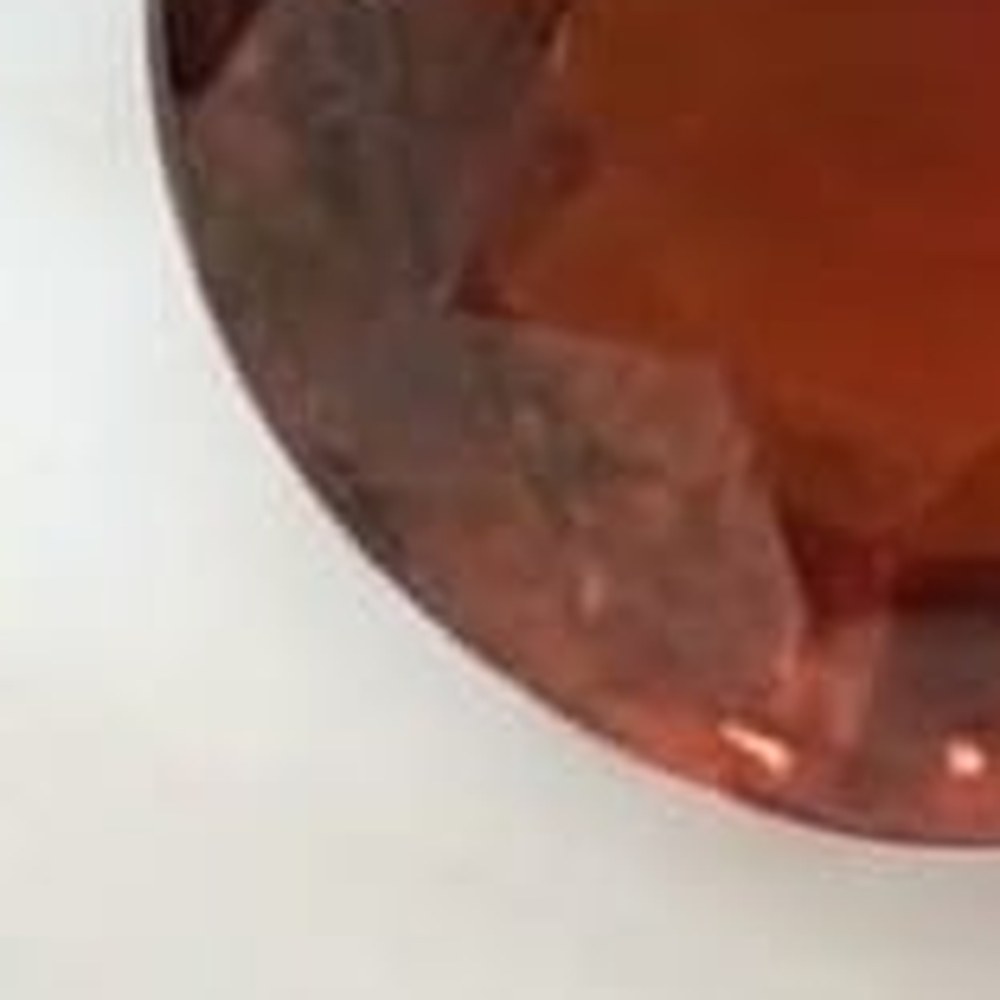
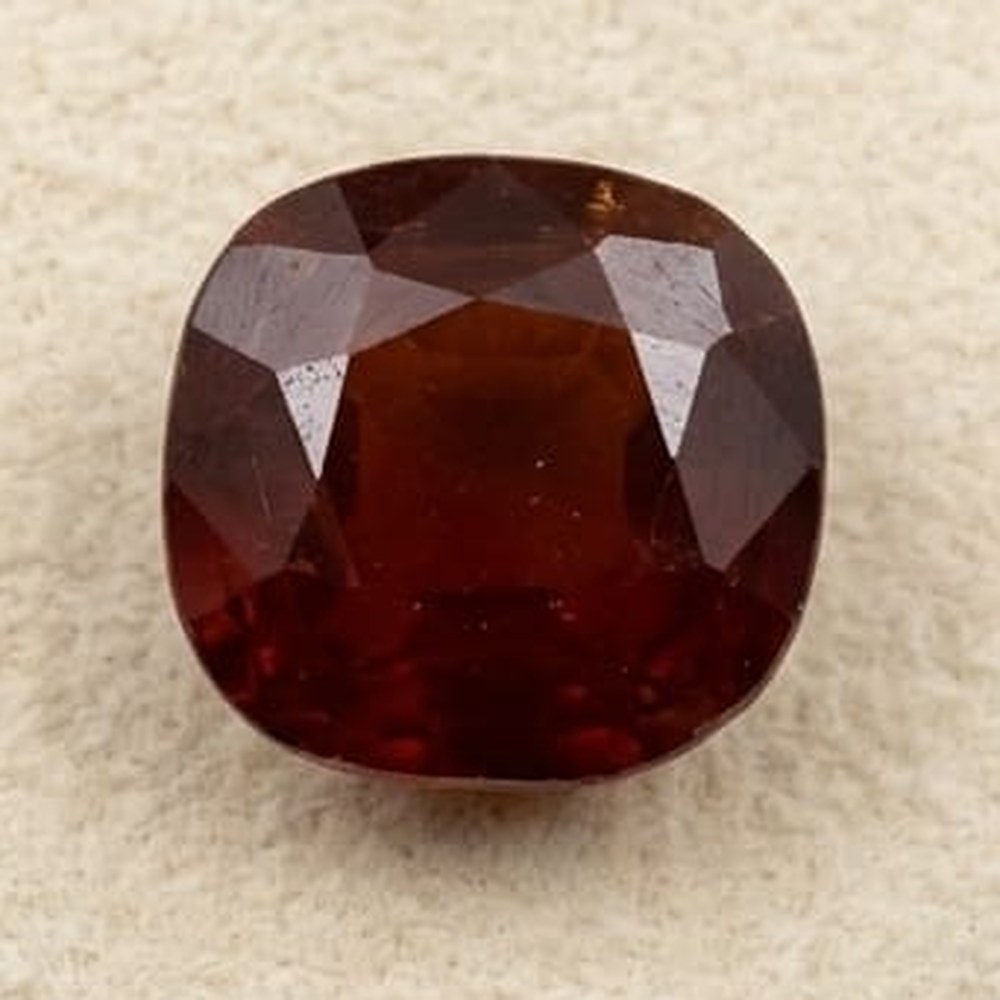
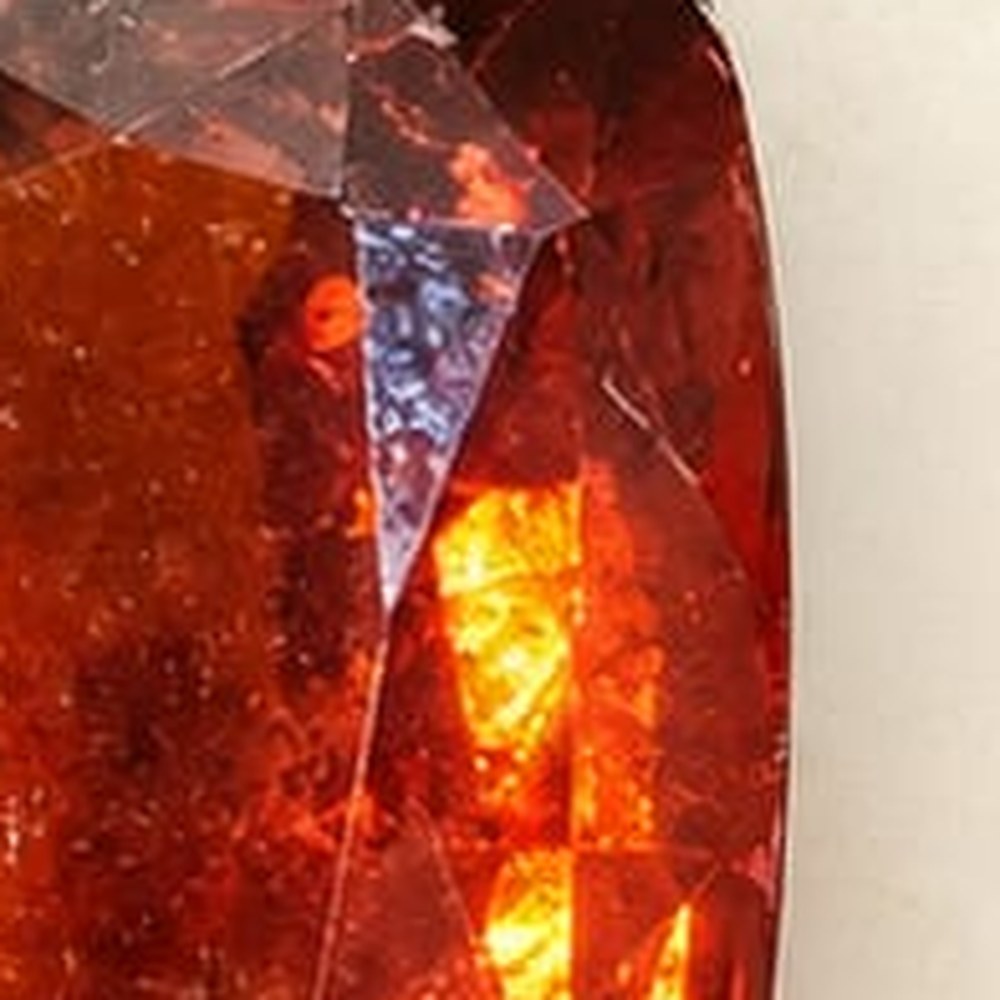
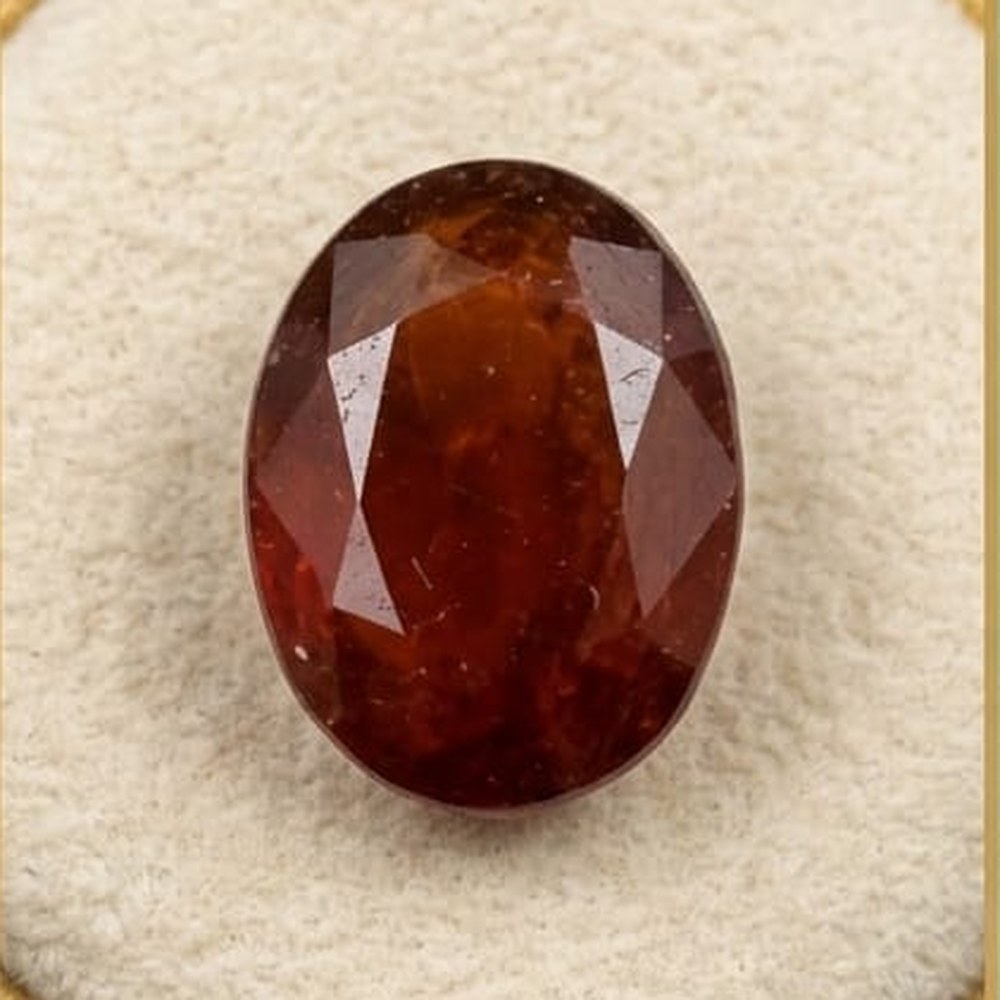
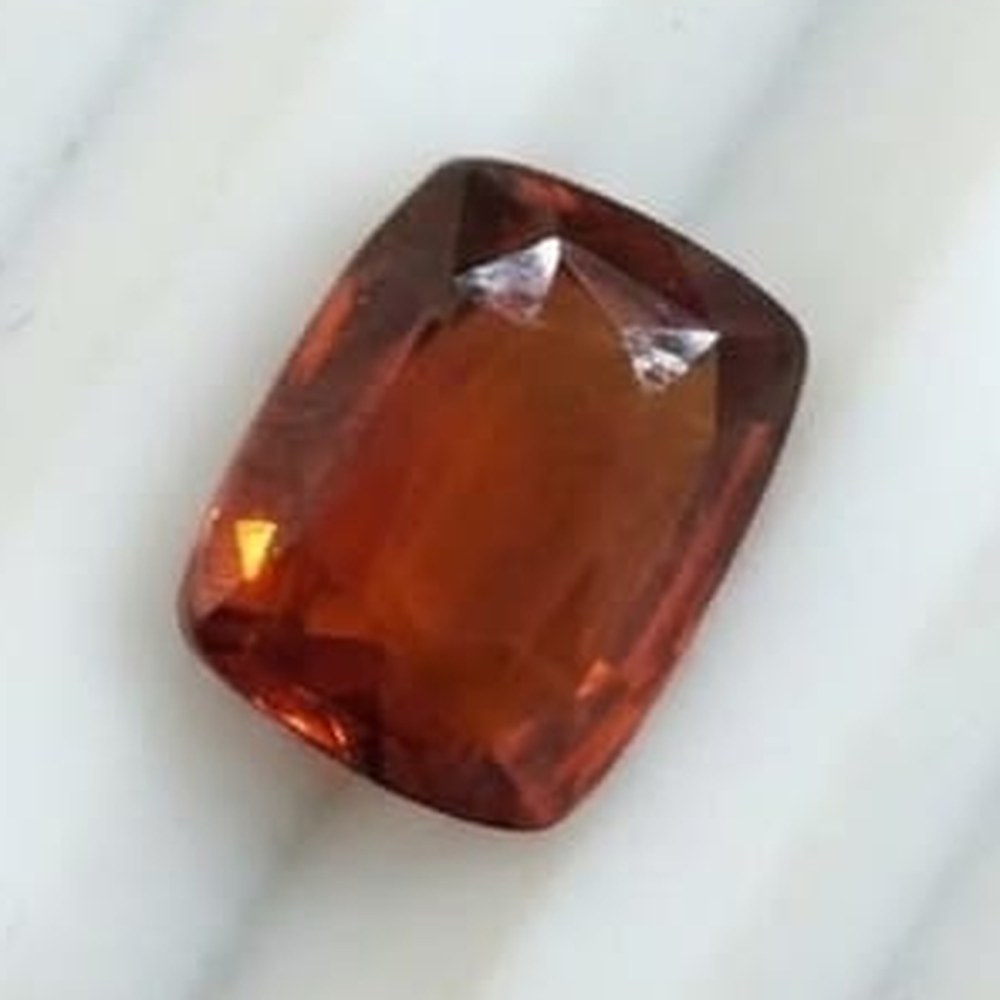
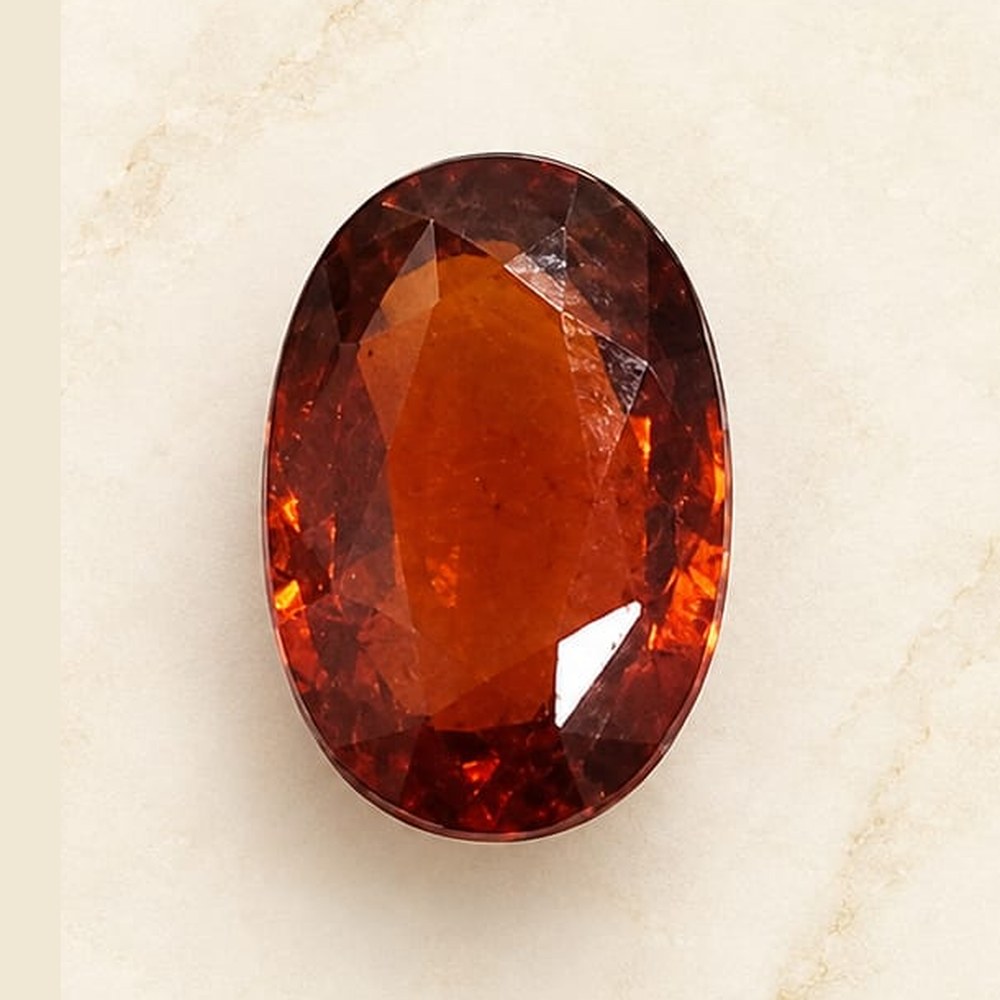
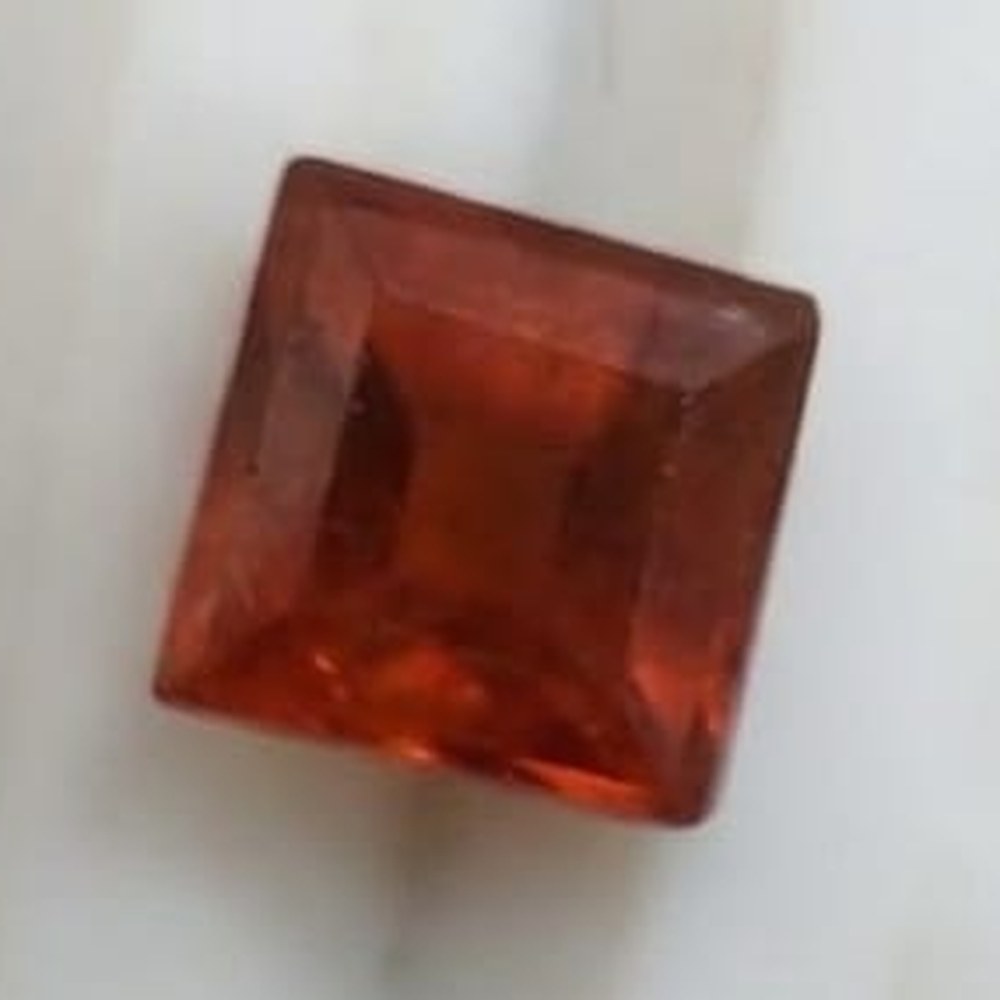
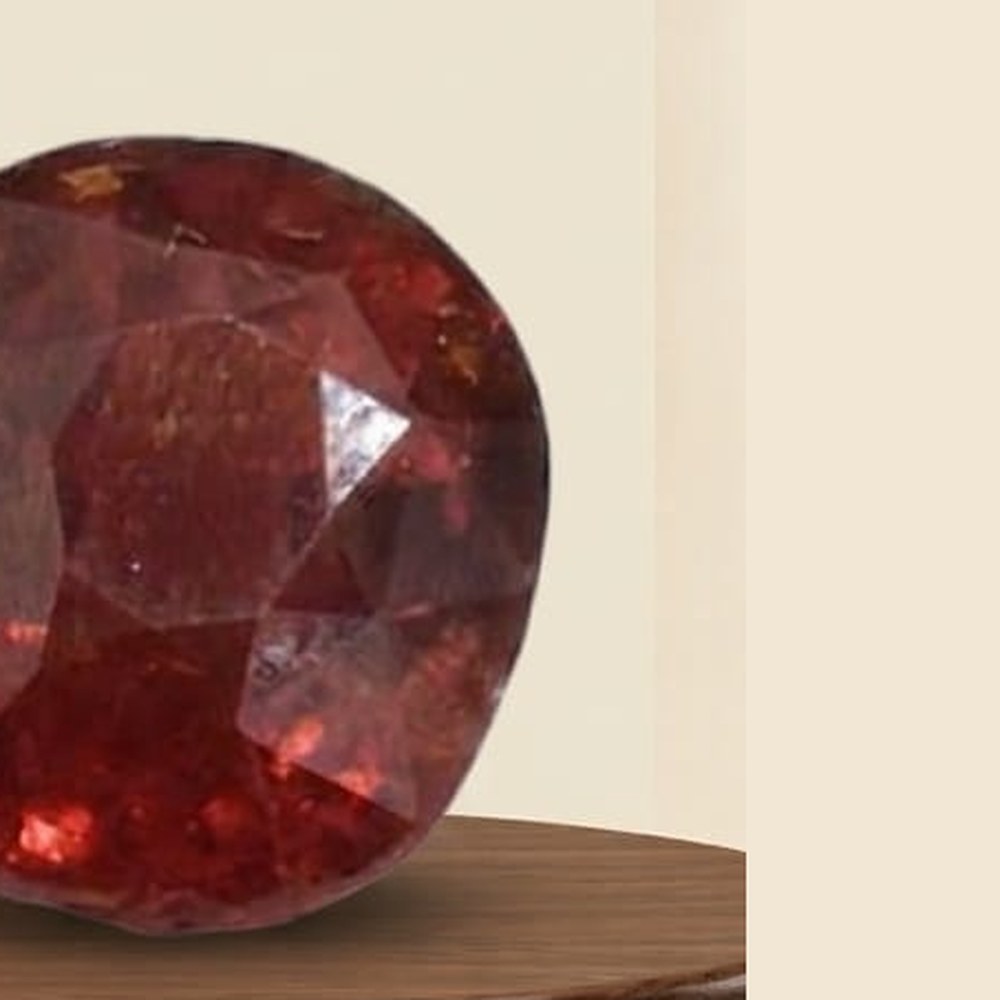
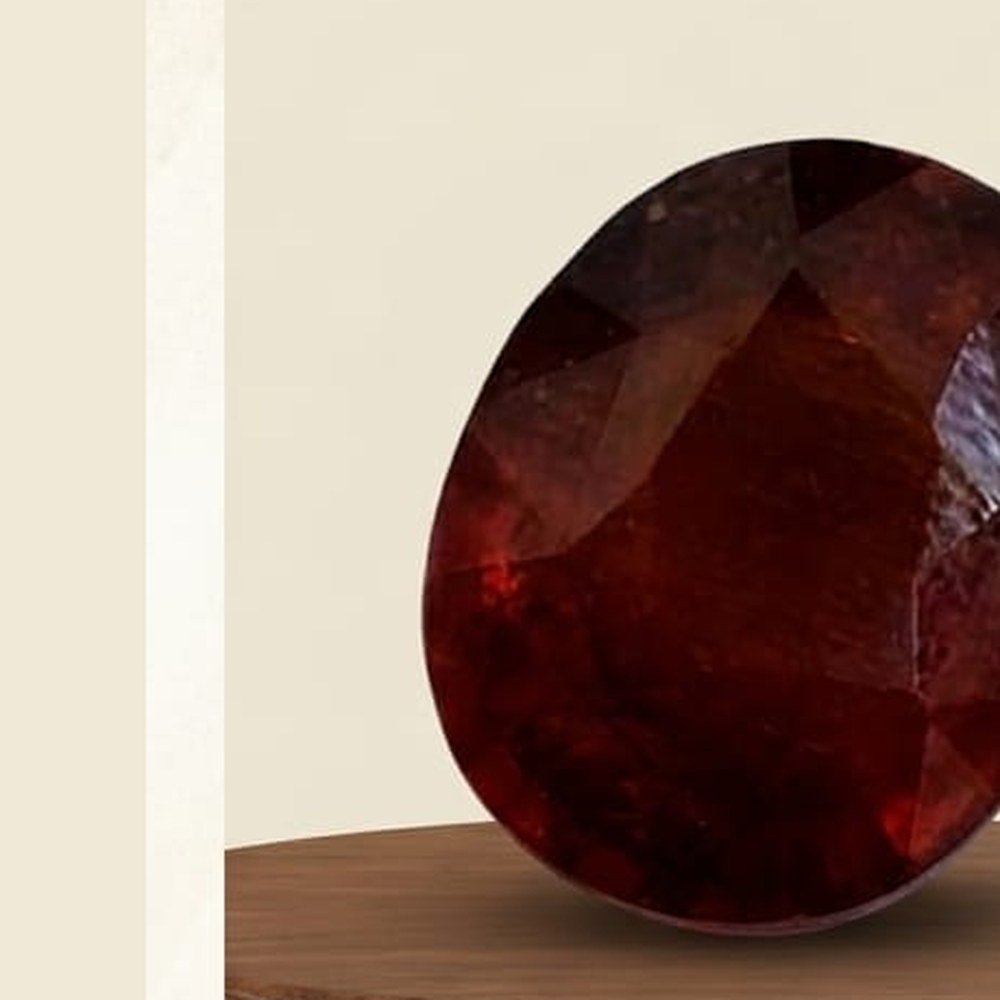
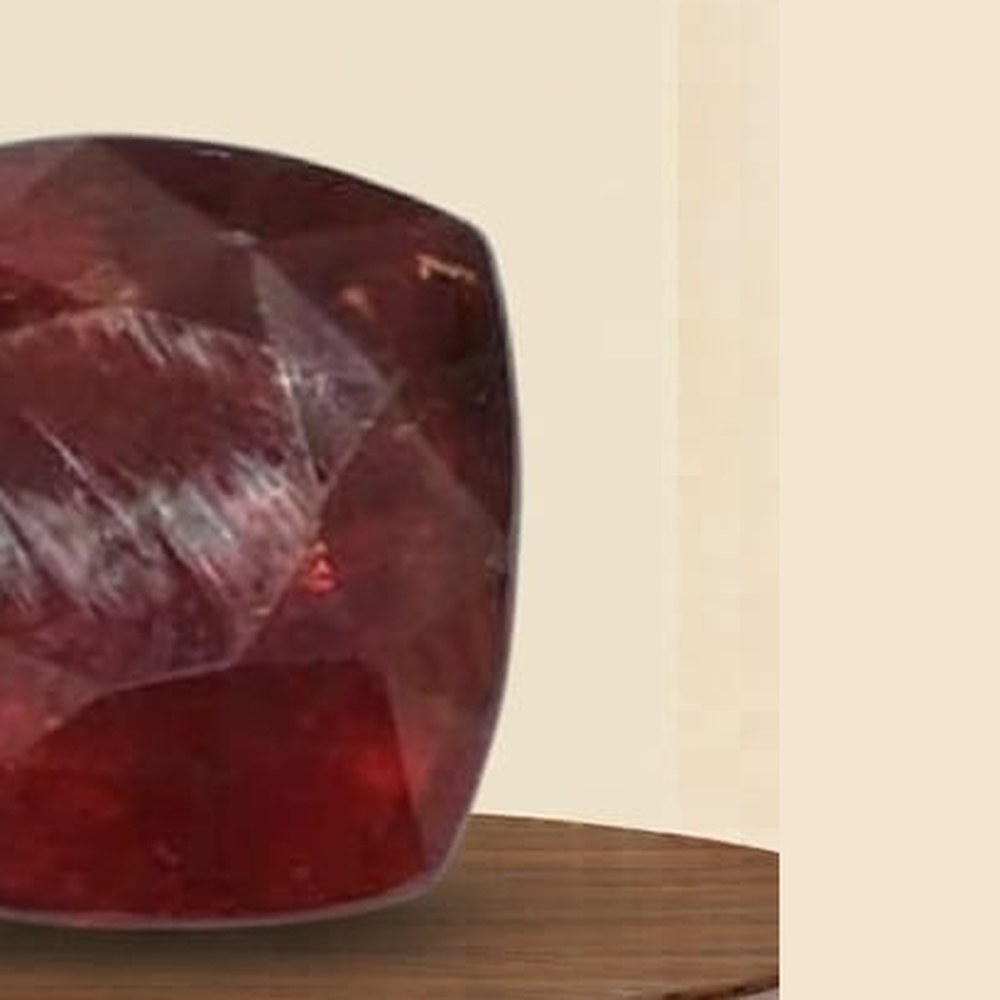
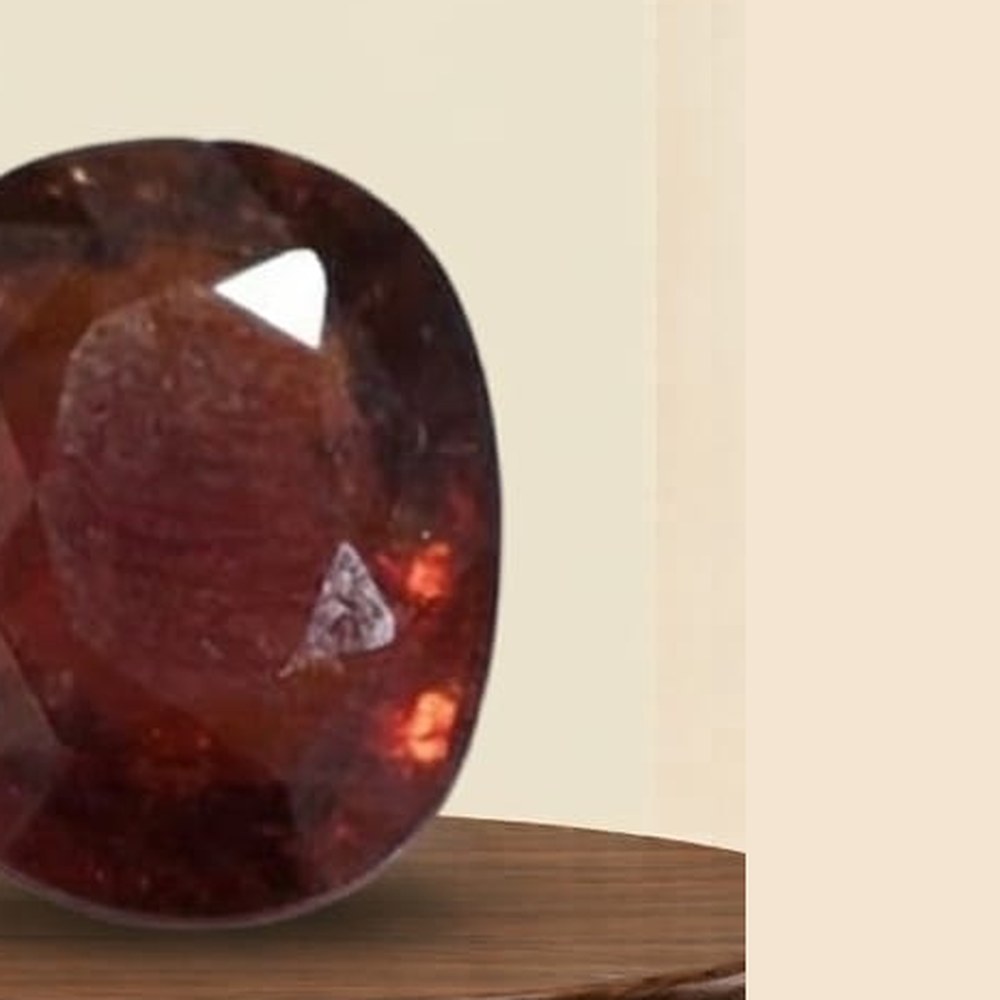
Hessonite shows a distinctive optical 'heat-wave' refraction caused by microscopic internal crystals. Metaphysically this mirrors the shadowy, smoke-like nature of Rahu — the north lunar node — the force of ambition, foreign lands, mass media, technology and sudden worldly breakthroughs. Gomed is traditionally understood to ground Rahu's erratic illusions into focused ambition.
Properties
- Mineral family
- Grossular garnet (Ca₃Al₂(SiO₄)₃), coloured by manganese and iron
- Hardness
- 6.5 – 7.5 Mohs
- Refractive index
- 1.734 – 1.759
- Specific gravity
- 3.61
- Colour
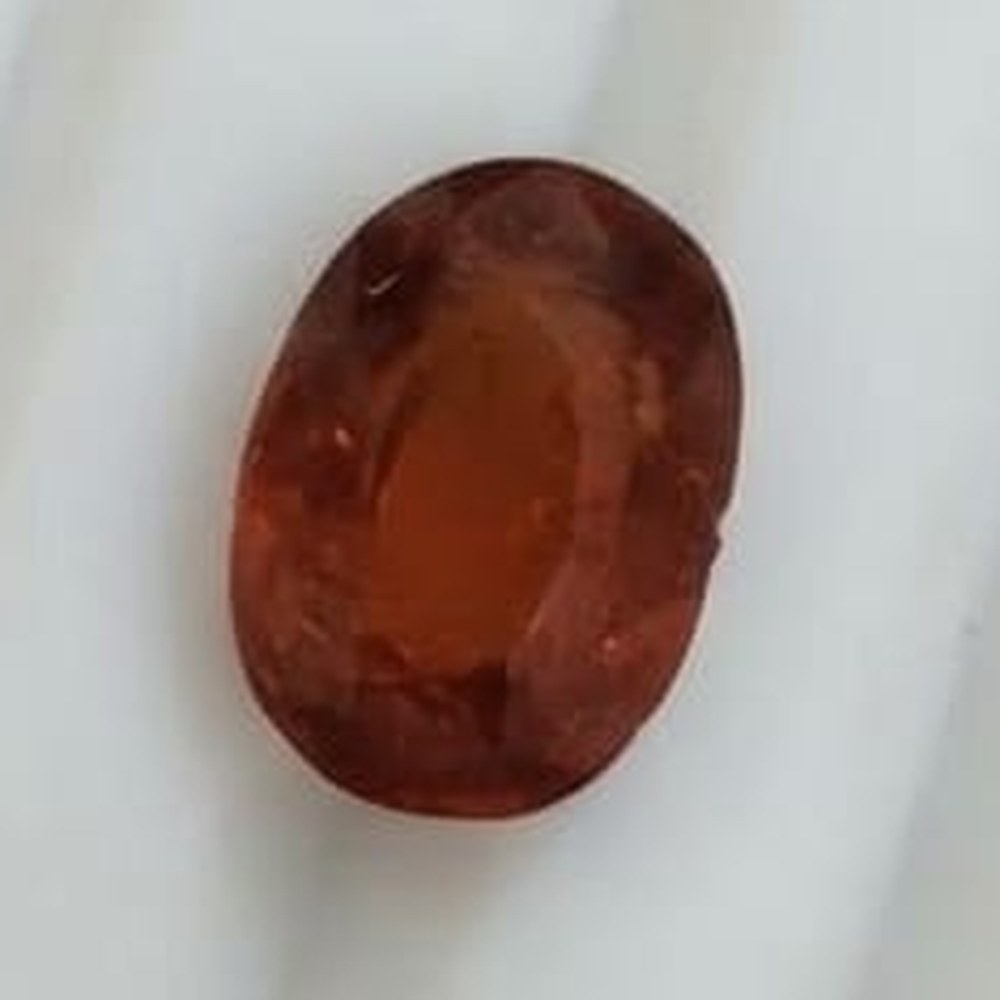
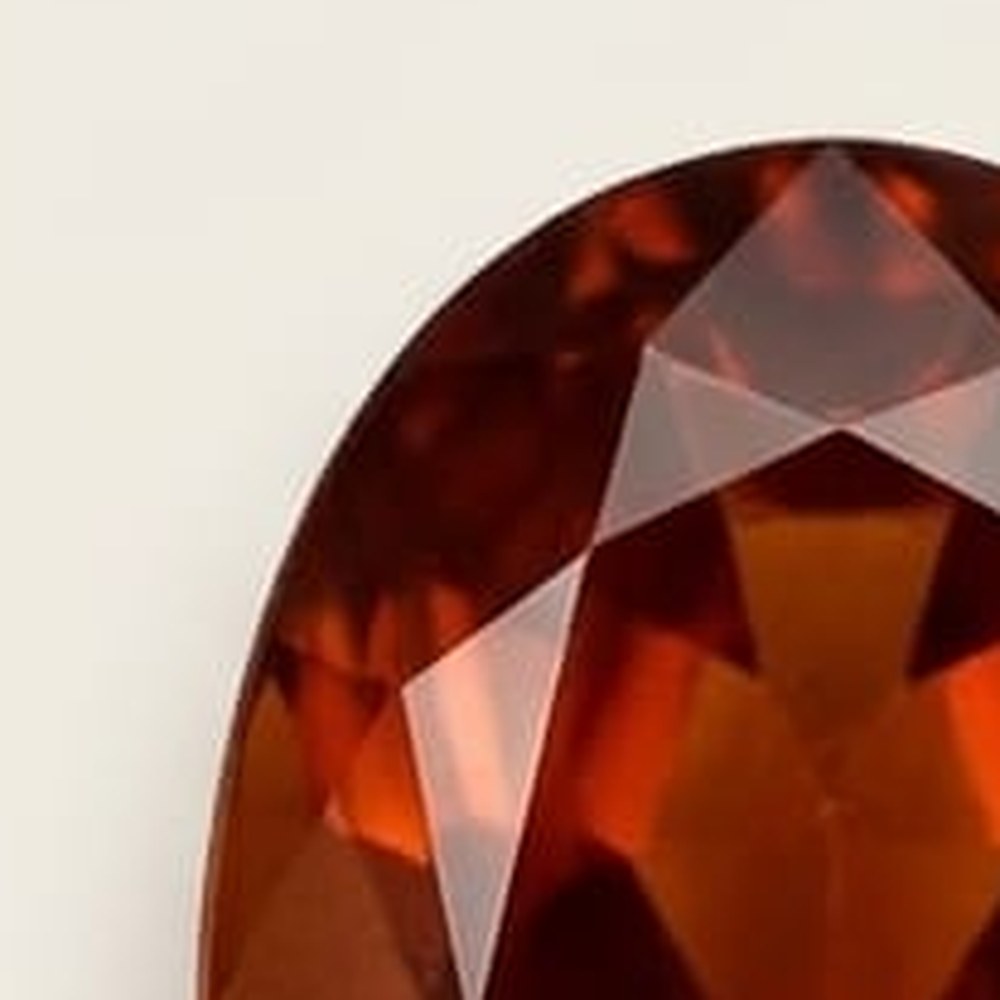
- Honey-yellow, cinnamon brown, reddish-orange
- Key origins
- Sri Lanka (prized for treacle inclusions), Odisha, Gaya
- Buying standard
- Untreated Ceylonese stone with high transparency and characteristic treacle swirl
How to wear Hessonite (Gomed)
- Weight
- 5 to 8 ratti
- Metal
- Silver or panchdhatu, open-back ring
- Finger
- Middle finger (Madhyama), right hand
- Day
- Saturday evening, about two hours after sunset
- Mantra
- Om Bhram Bhreem Bhroum Sah Rahave Namah (108 times)
Wearing method follows tradition. It is guidance, not a promise of any outcome — see our approach to describing stones.
Who should wear Hessonite (Gomed)
Tradition associates Hessonite (Gomed) primarily with Kumbh (Aquarius), and beneficially with Vrishabh (Taurus), Mithun (Gemini), Kanya (Virgo) and Tula (Libra).
What determines the price
Price is not one number. Four things move it, and they move it a lot:
- Treatment. An untreated stone with no indications of heating can cost several times an otherwise identical heated stone. Every listing states its treatment, and the certificate records it.
- Origin. A stone from a classic source (Burma for ruby, Kashmir for blue sapphire, Ceylon for yellow sapphire) carries a premium that is real but can be overstated. The certificate names the origin only when the laboratory is confident.
- Colour and clarity. Saturation and tone first, then eye-visible inclusions. A stone with fine colour and a visible inclusion usually beats a clean stone with flat colour.
- Weight. Price per carat rises steeply with size, so a 4 ct stone costs more than twice a 2 ct stone of the same quality.
Live prices for what is currently available are shown above — we do not publish a per-carat rate, because quoting one would be wrong for most stones.
Worth knowing
Named After Cow's Urine
The Sanskrit name Gomed literally translates to 'fat or urine of a cow', referring to its authentic golden-honey to cinnamon-reddish glow.
Liquid Heat-Wave Inside
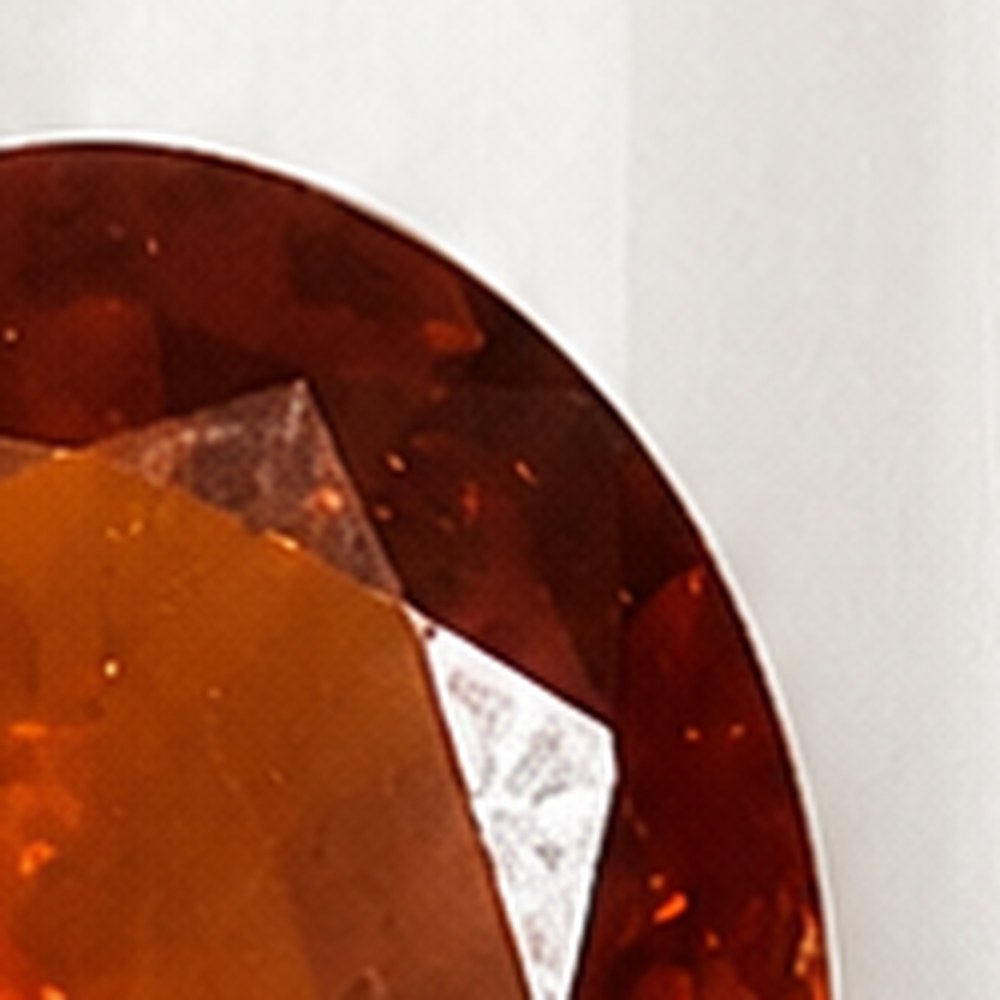
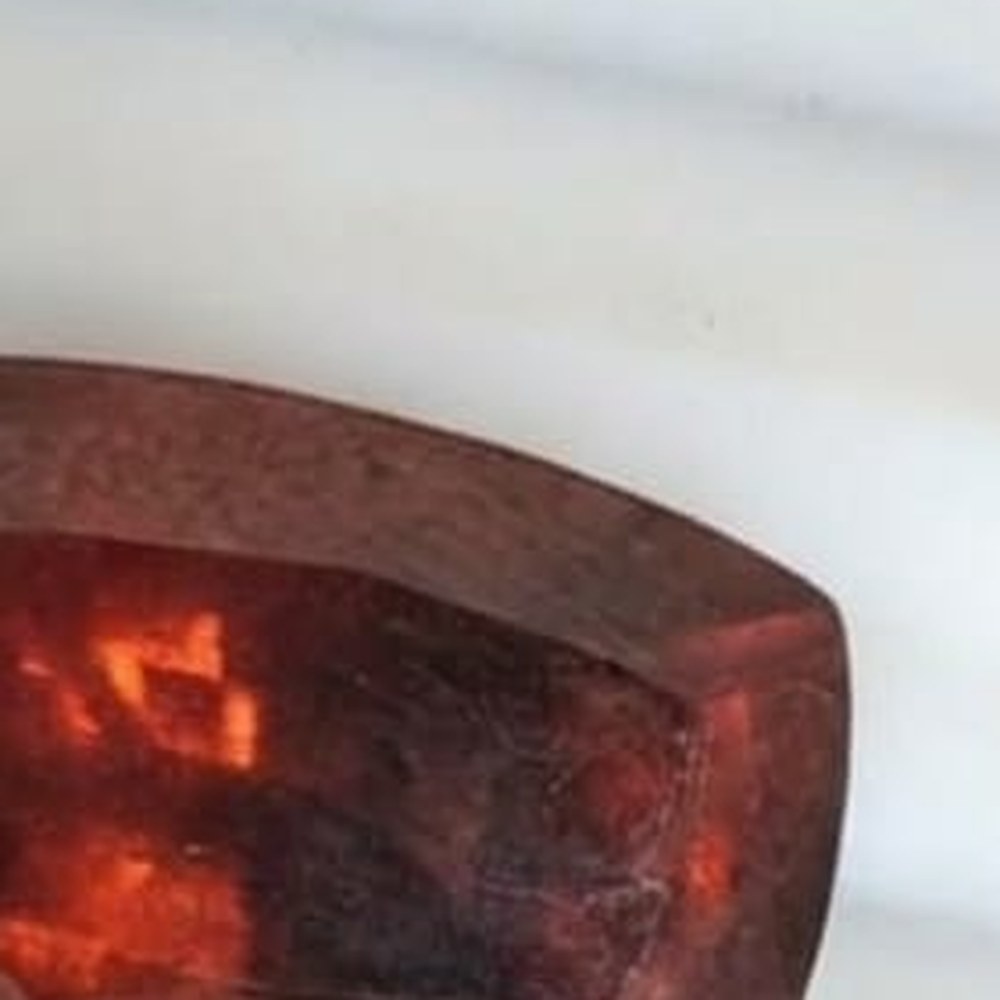
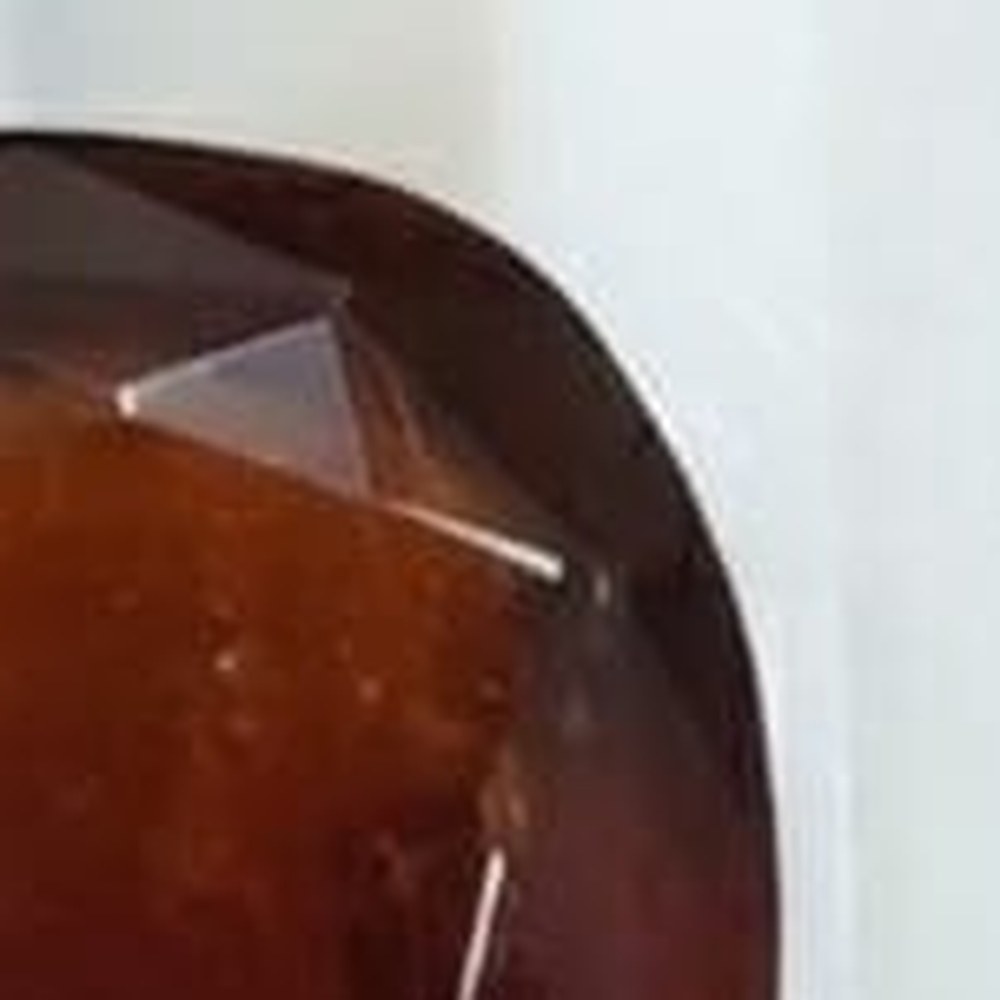
Under a loupe, genuine Ceylon Gomed looks like swirling honey or heat waves rising off asphalt — called a roiled or treacle effect.
A Gem of Many Colours
Hessonite belongs to the garnet family, which comes in every colour of the rainbow — though Rahu claims only the fiery cinnamon-orange variety.